I started at TMZ as a Senior Art Director and became its first Creative Director. The job was to make the show, the sites, the app, and the ads look like one company, at the speed of the news.
I started at TMZ as a Senior Art Director and became the first Creative Director the company ever had. The creative people were already there. What was missing was one standard connecting them, so I built it: one identity, one product system, and a creative desk that made money without slowing down the news.
Role
Senior Art Director, then the first Creative Director
Discipline
Brand · Editorial · Product · Advertising
Scope
TMZ · TMZ Sports · TMZ Live · Toofab · TMZ Tour
TMZ is the newsroom the rest of entertainment media checks before it publishes. A site that breaks stories around the clock, a daily television show, a sports desk, and a celebrity tour. It was part of Warner Bros. when I was there.
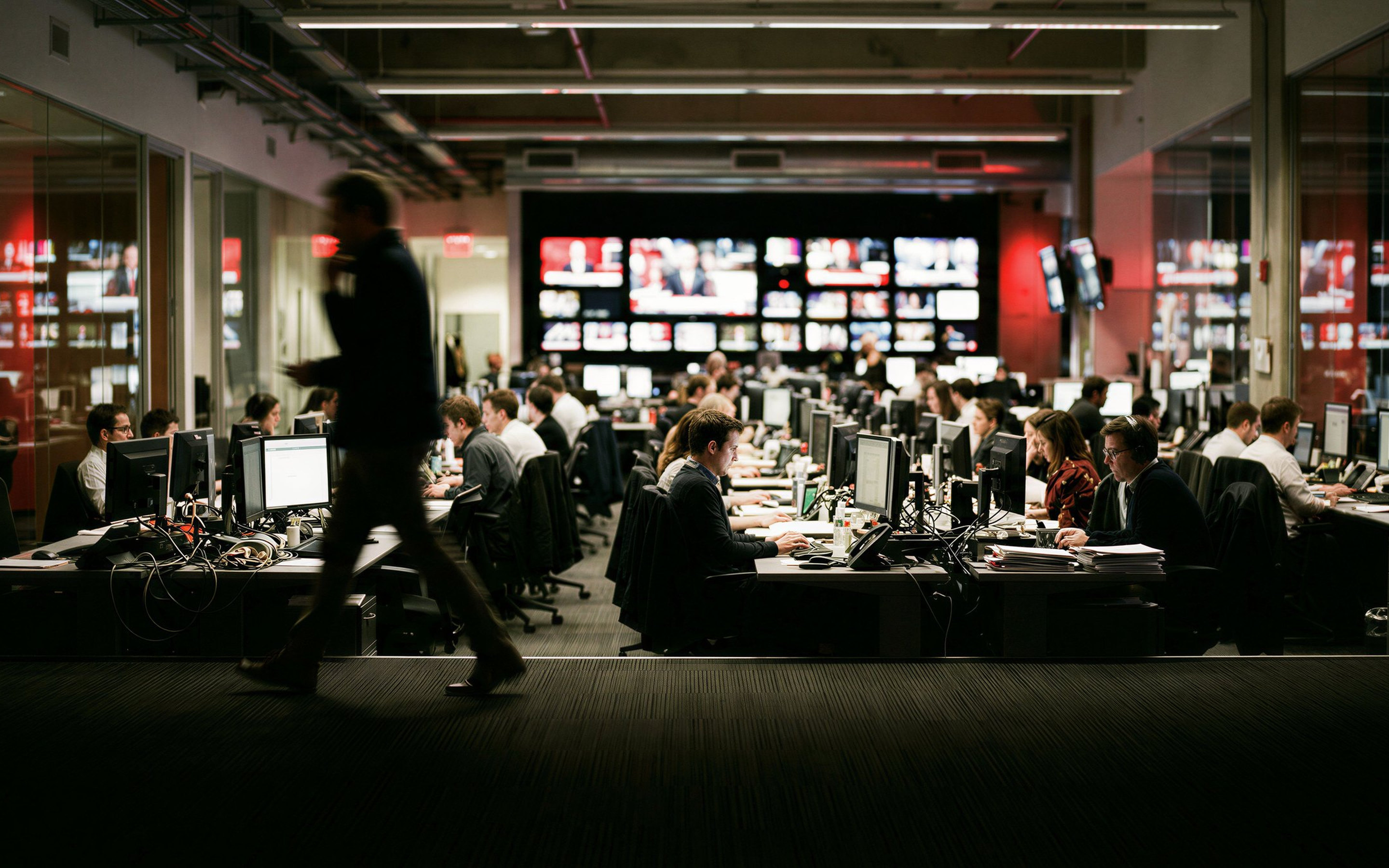
The fastest room in media
Most creative work is measured in weeks. TMZ measures it in minutes. A story breaks, and the site, the show, the app, and the social feeds all need creative now, on brand, at once. When I joined at the end of 2009, TMZ was four years old and already one of the biggest names in entertainment media. Over the next few years it grew in every direction: a live show, a tour, a second editorial brand, a sports desk.
Growth like that usually gets paid for in consistency. Each desk solves its own problem on its own deadline: last month’s file with a new headline, a vendor on a deadline, whoever has Photoshop open. That is nobody’s fault. It is what speed does. But over time the show, the site, and the feeds start to look like three different companies.
So I pulled the creative work into one team, and the team built the rest. One mark in place of six. Three redesigns of TMZ.com, a sports site, and an app that passed a million downloads in its first week, all on one visual system. And a creative desk that sat with ad sales and turned the homepage into a stage sponsors wanted to be on. What changed is simple to say: TMZ started looking like one company everywhere it showed up, without asking the newsroom to slow down.
The brand One mark with a short list of rules, and the brand extensions that grew out of it.
The products Three redesigns, a sports desk, and the app, all drawn from one system.
The business Sponsor takeovers, branded series, faster proposals, and a tour bus on Hollywood Boulevard.
500K → 6M
Social audience, over my time there
1M+
App downloads in the first week
$1M+
Direct ad sales contributed to
One team, around the clock
The first thing I designed as Creative Director was the team itself. I pulled the creative work across editorial, broadcast, and digital into one department, hired into the gaps, and set it up to cover the newsroom around the clock. Then I wrote the design standards and the production process that kept twenty people shipping in one voice.
The commercial half of the job and the editorial half ran on the same system, which is why neither slowed the other down.
The same people, connected
Before · separate desks
The showIts own standard
The siteIts own standard
Ad salesIts own standard
Good work, on three different clocks
After · one team
Creative Director
Editorial24/7
Broadcast24/7
Digital and social24/7
Ad creativeWith sales
One standard, one workflow, twenty people in one voice
* A sketch of the team, before and after.
24/7
Coverage across editorial, broadcast, and digital
20
People shipping in one voice
40%
Workflow gain from the new production process
System one
The brand
System one
The brand
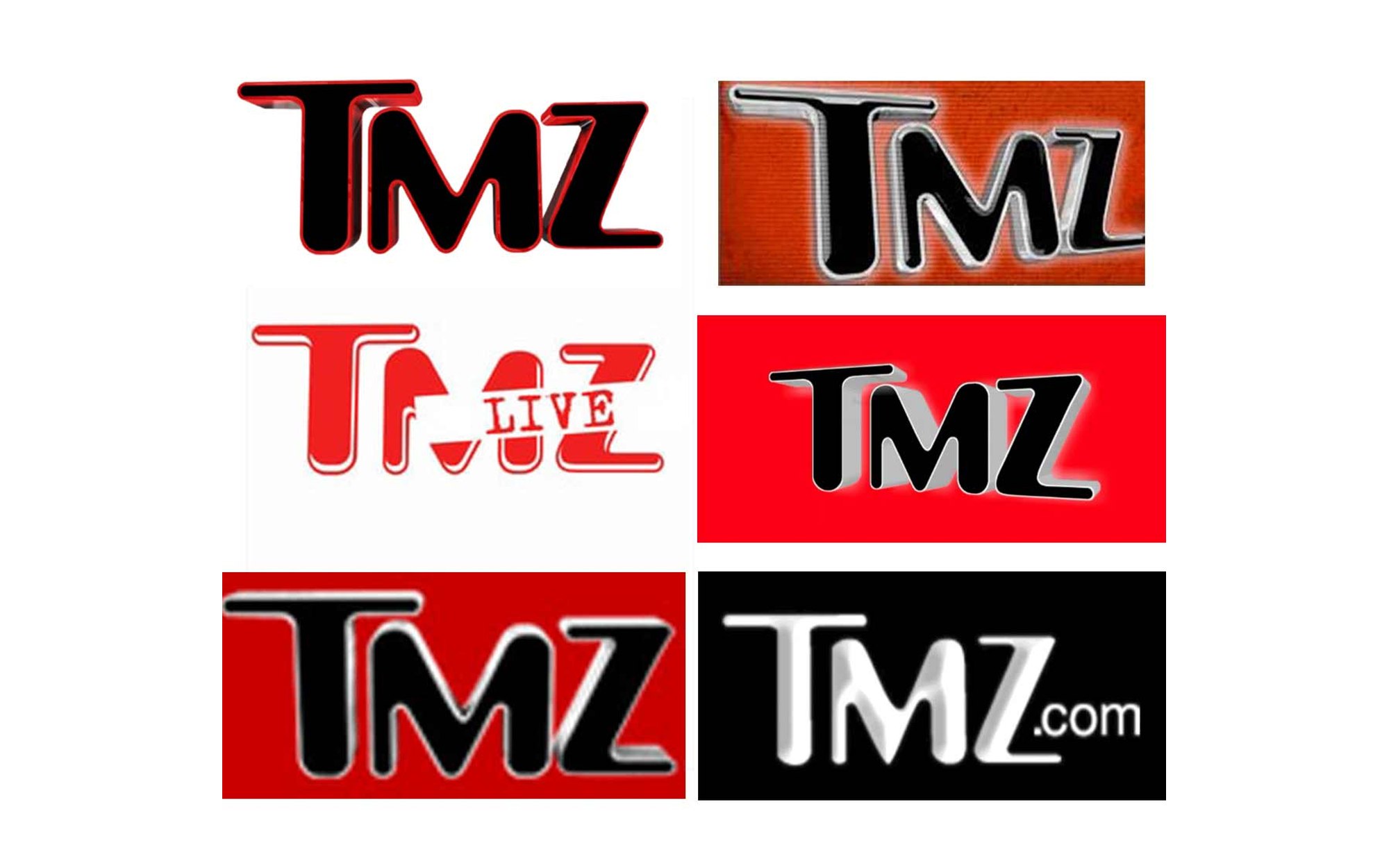
TMZ had grown faster than its logo. Six versions of the mark were in circulation across the show, the site, and the feeds. The work was getting to one, and making it flexible enough to survive a newsroom.
The opportunity. TMZ started as a website in 2005 and added a television show two years later. Then came an app, a live show, a tour, and a sports desk. A brand that grows that fast picks up a new logo at every stop. Bevels, outlines, a dot com, a Live variant. Each one made sense on the day it was drawn. The opening was a single mark with a short list of rules, so every new product started from the same place.
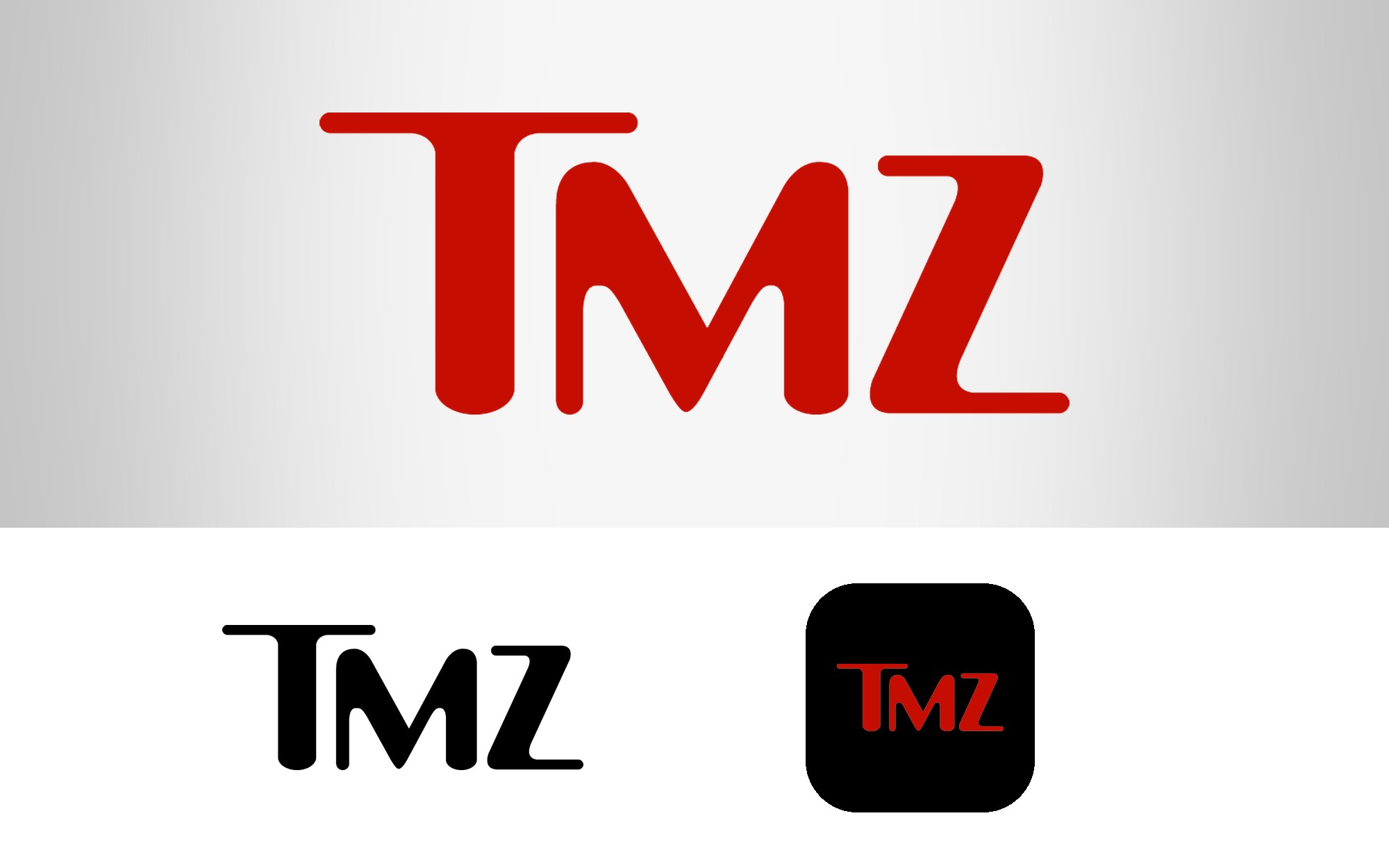
The system. One wordmark in three forms: red, black, and an app icon. A red that is always the same red. Rules for clear space and for what may sit behind the mark, written for people who have four minutes. Everything else was allowed to move, which is why the newsroom kept to it.
6 → 1
Versions of the mark in use
3
Brand extensions launched: Sports, Live, Tour
Before. Six marks, all in use at once
After. One mark, three forms
A brand that bends without breaking
Here’s the design problem underneath all that speed. The brand has to flex around breaking news every hour without ever losing recognition. If the visual system is rigid, the newsroom breaks it by lunchtime. If it’s loose, the brand dissolves. The answer was a few constants that never move and real freedom around them.
That is also what let the family grow. TMZ Sports, TMZ Live, and the TMZ Celebrity Tour each got their own voice and their own color, and each is unmistakably from the same house. Toofab was different: its identity came from an outside agency, and my part was carrying it across the platforms so it sat comfortably beside the rest.
What never moves: the mark, the red, where it sits
Exclusive
MondayOne story
WednesdayA grid day
Breaking
Right nowBreaking
* A sketch of three news days. The mark is the real one.
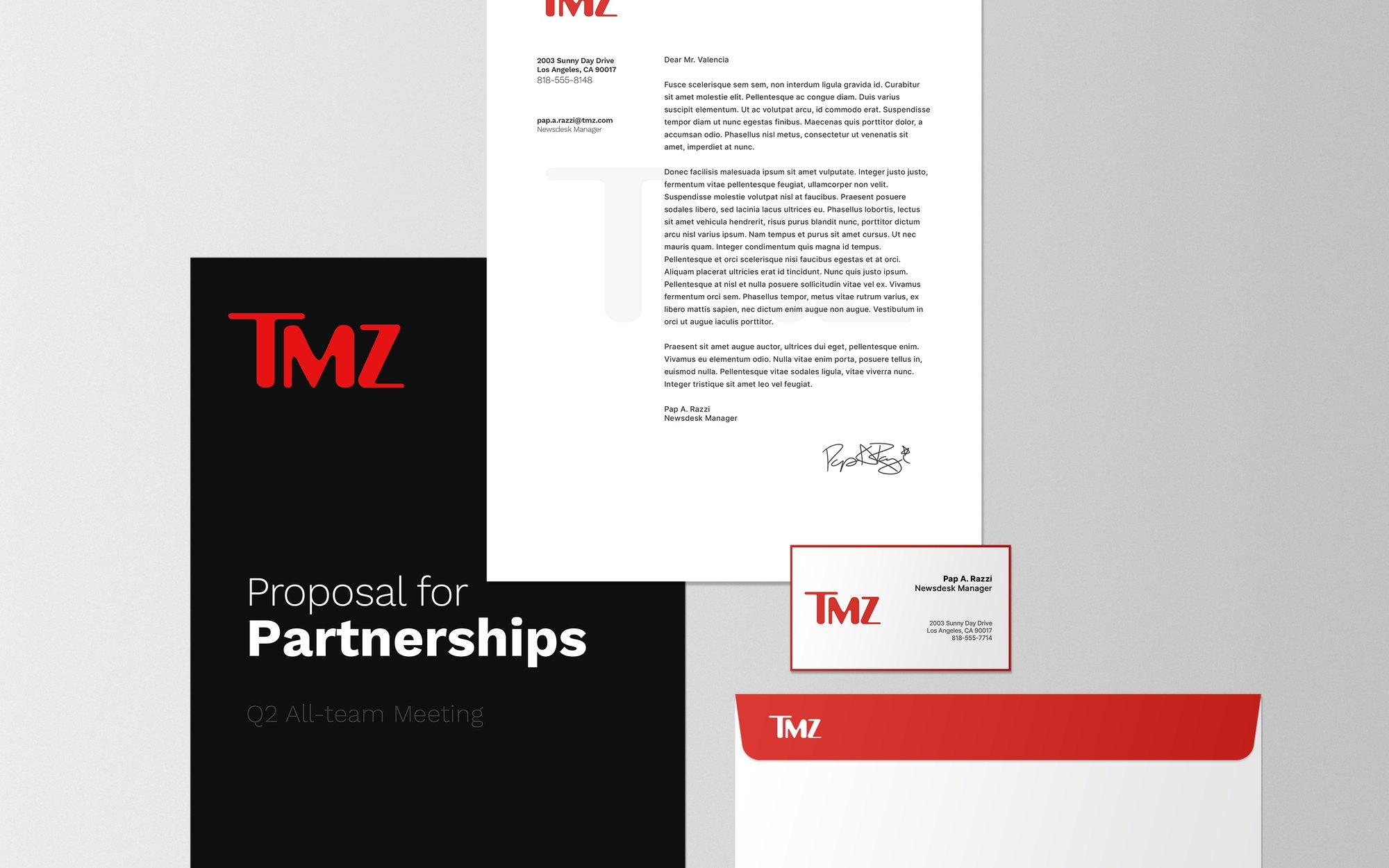
Business cards. The mark, small
Stationery. The system on paper, redrawn in 2024
With the parent company. One lockup, no exceptions
System two
The products
System two
The products
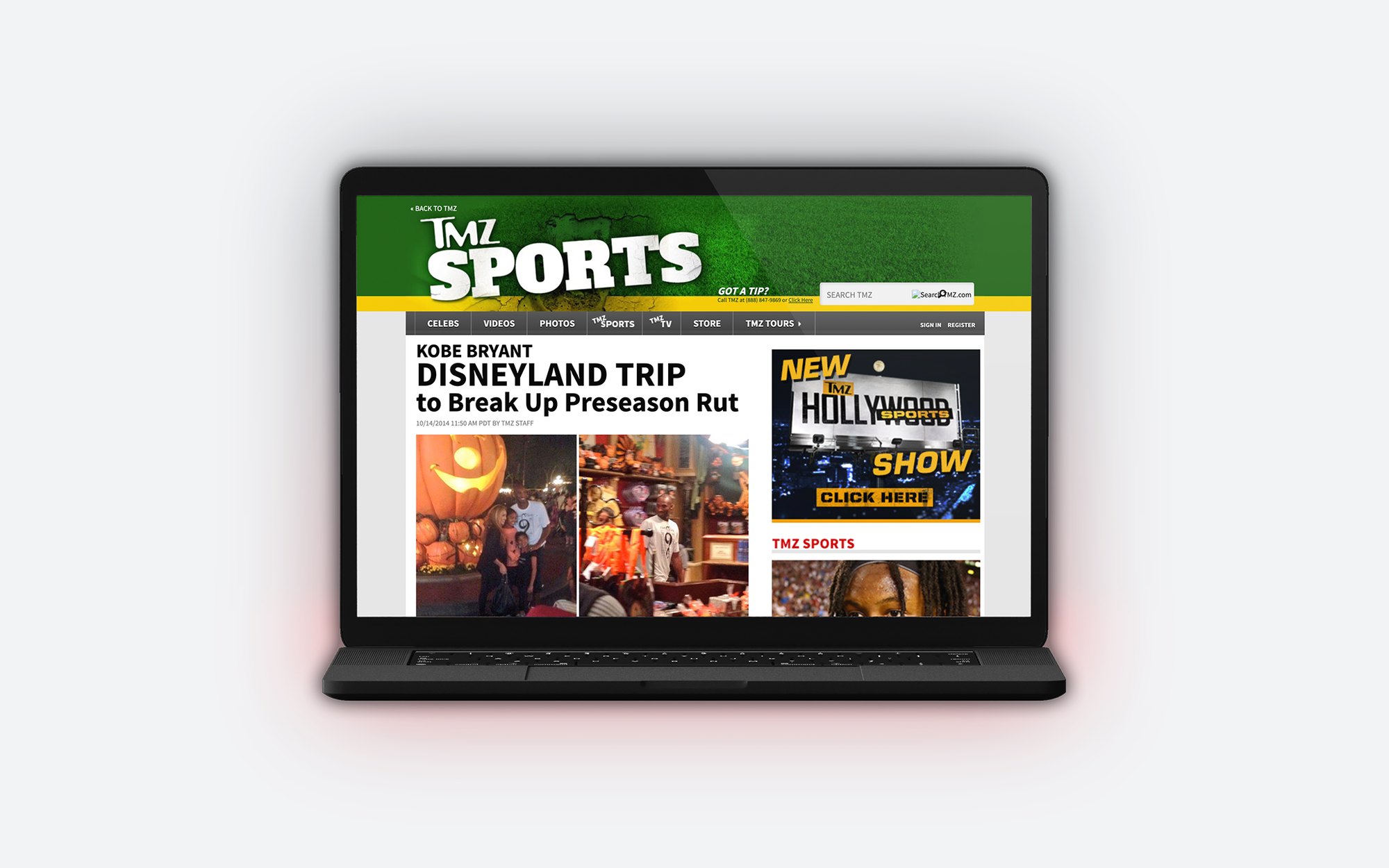
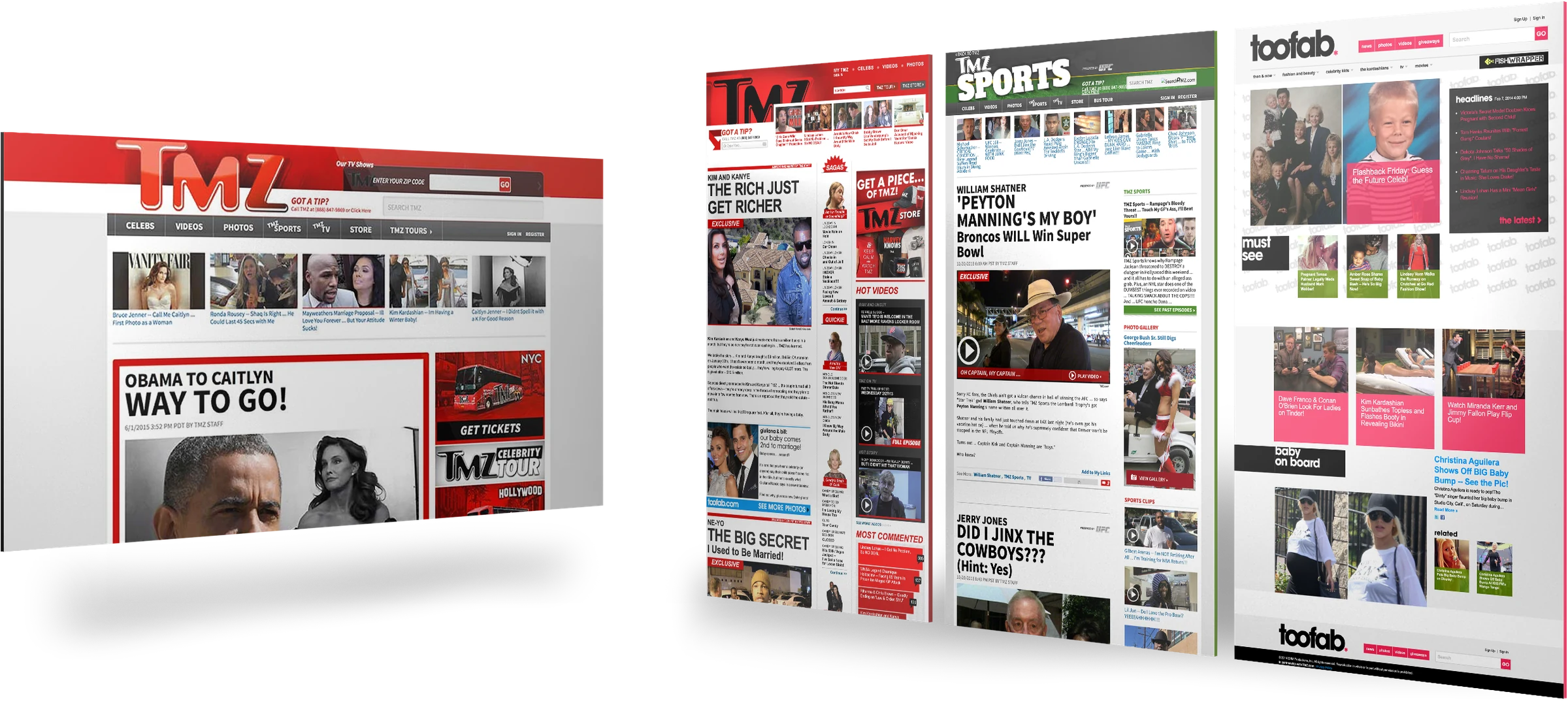
Three redesigns of TMZ.com, a sports desk, and an app, all drawn from one system. A reader moving between them should never have to wonder whose product they are in.
The opportunity. The audience was moving to phones, and the sports desk was ready for its own front page. Each was a product launch on its own. The opening was to treat them as one family: shared structure, shared type, one way of showing a headline, with color doing the work of telling the brands apart.
The system. A page built around the lead story, with the same bones on every site. Red for TMZ, green for TMZ Sports. The app carried the same headline treatment onto a phone, then added what the site could not do: TMZ Live in your hand, and a way to send the newsroom a tip.
3
Redesigns of TMZ.com on one visual system
1M+
App downloads in the first week
6M
Social followers, up from 500K
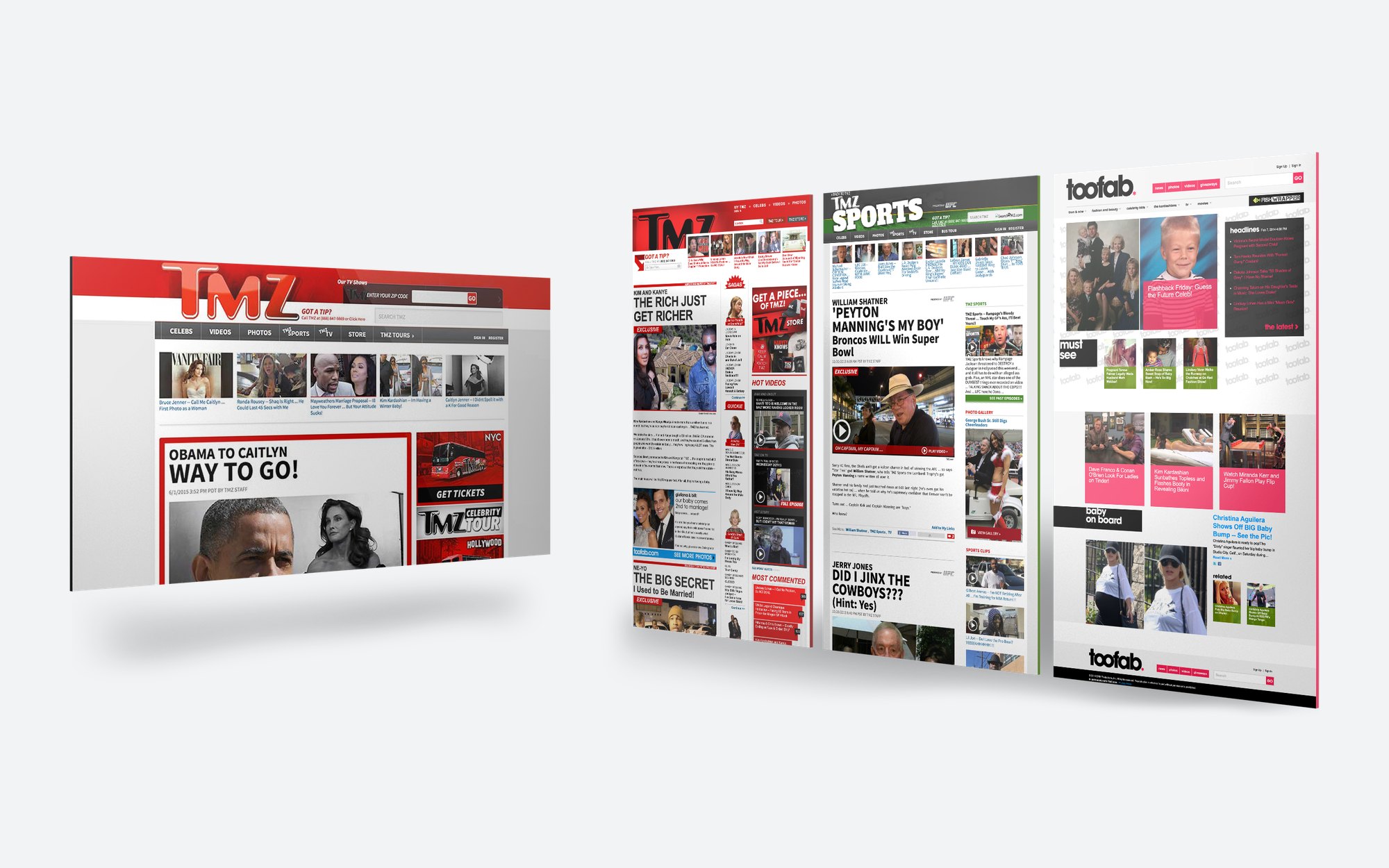
Side by side. Full pages from across the family, one structure
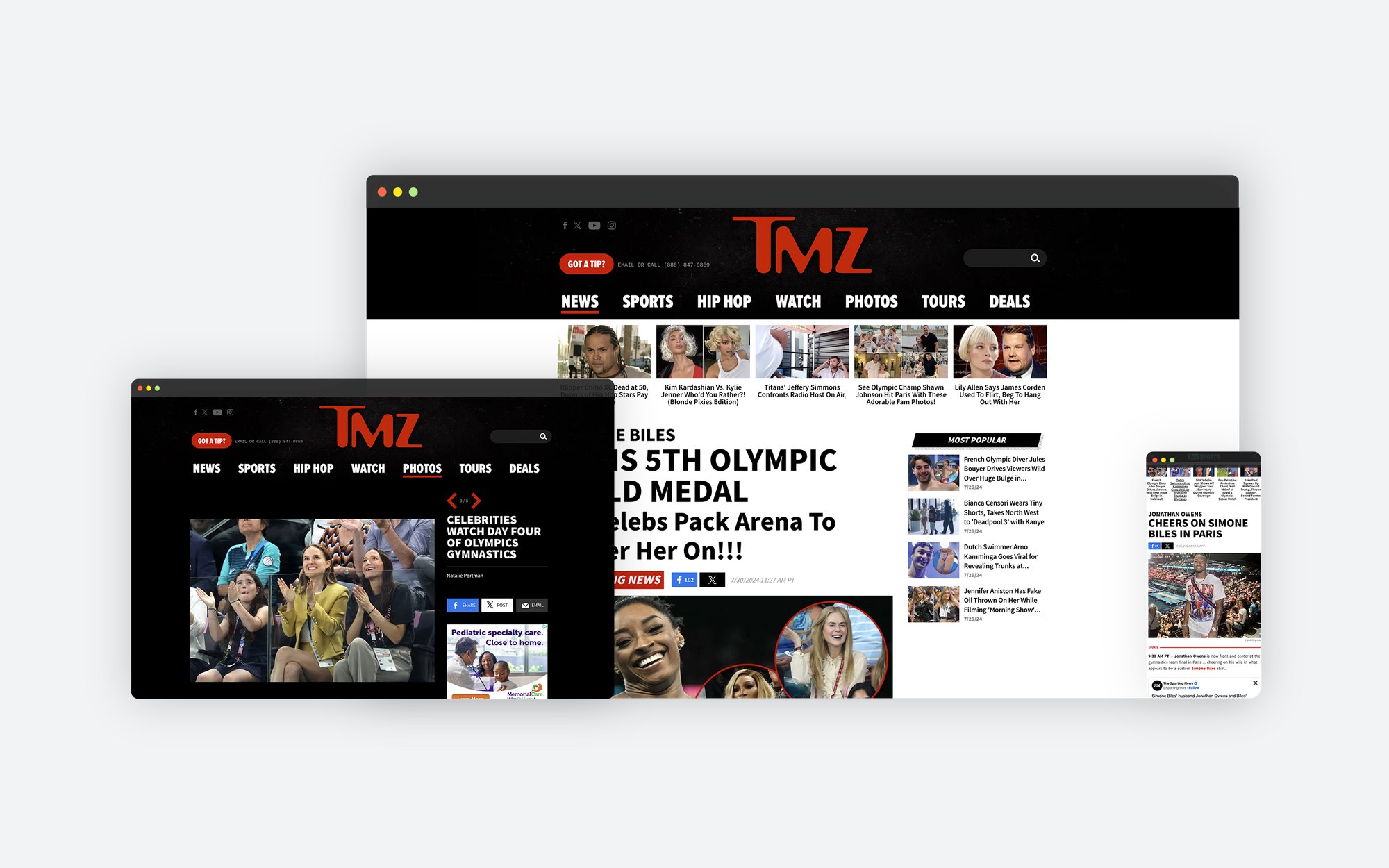
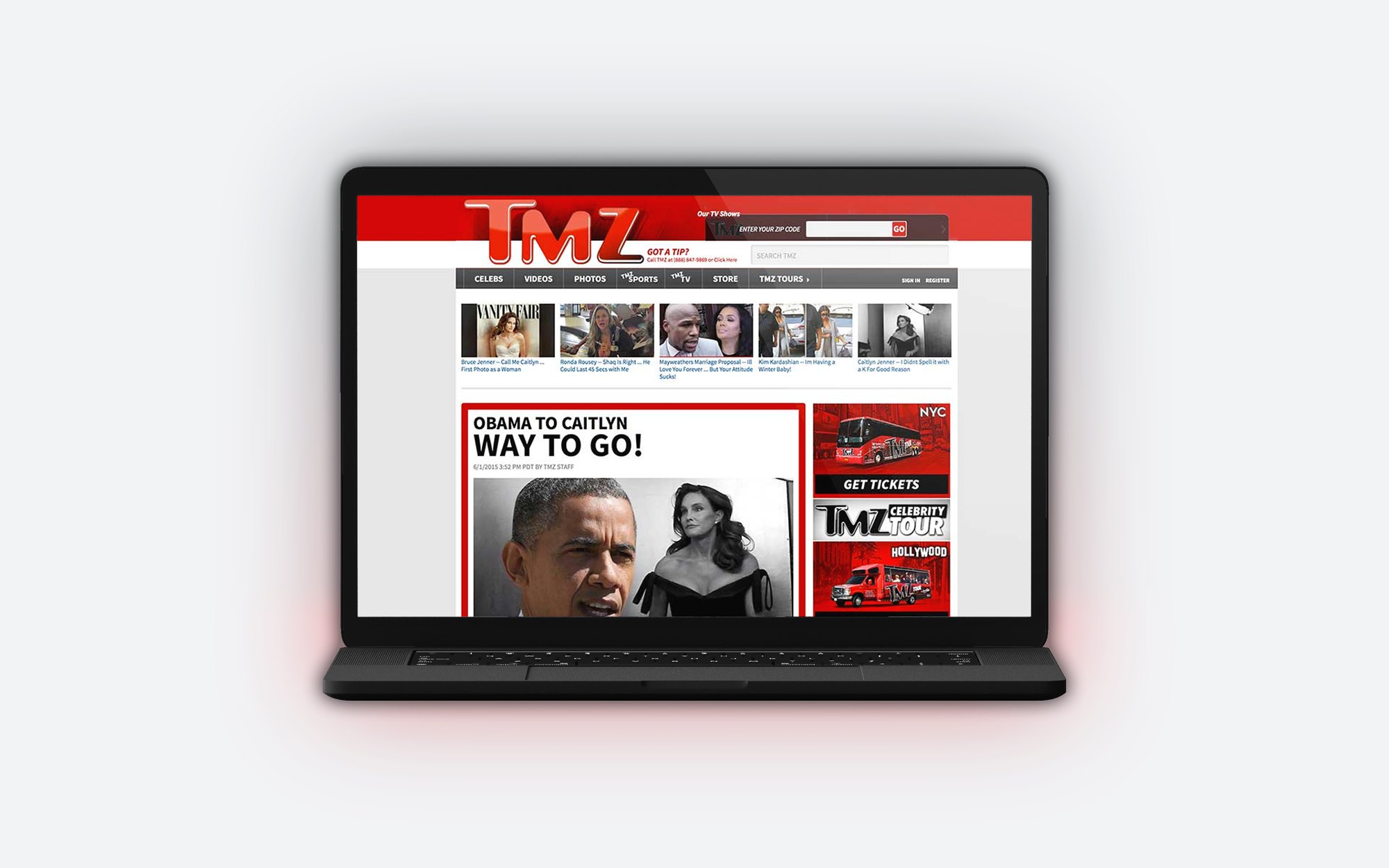
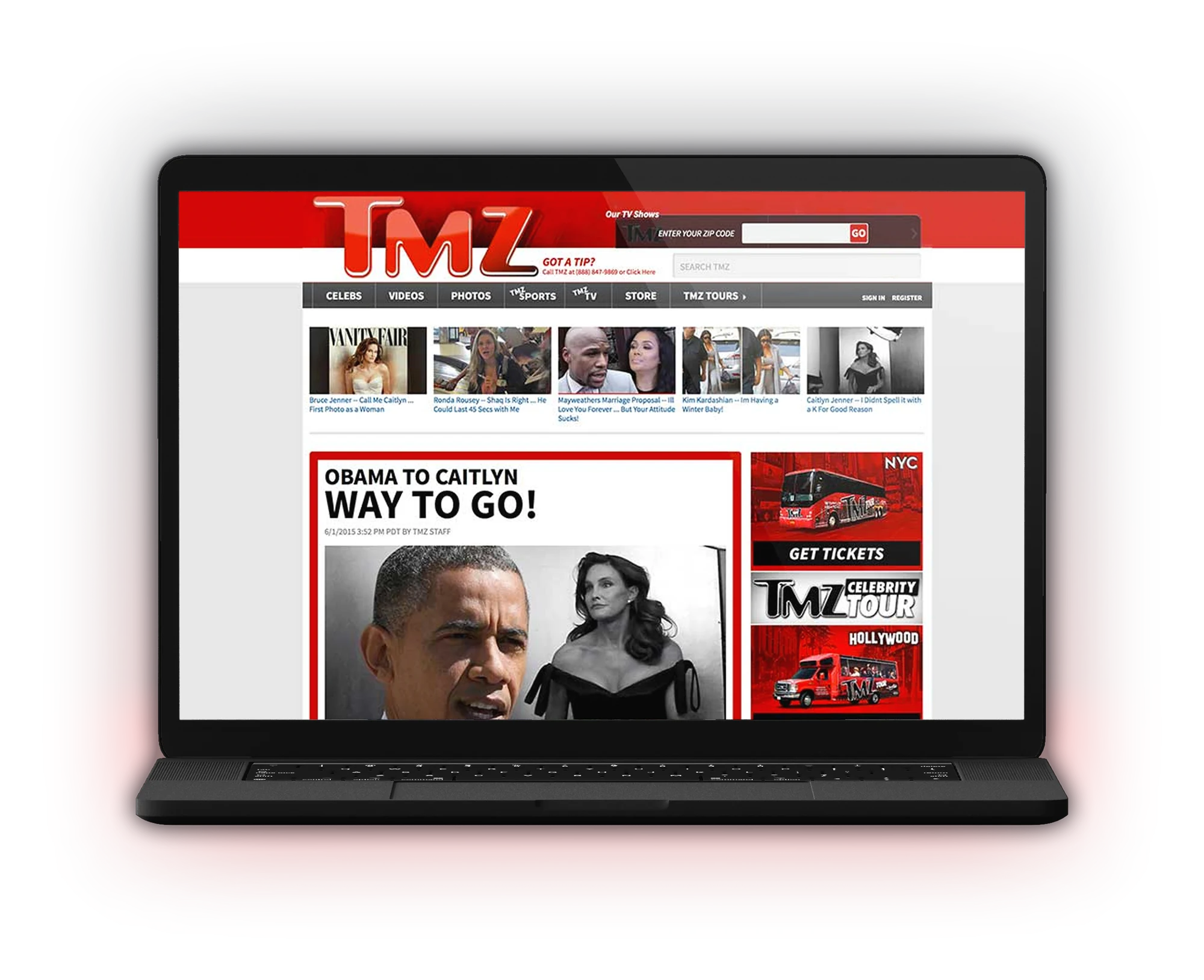
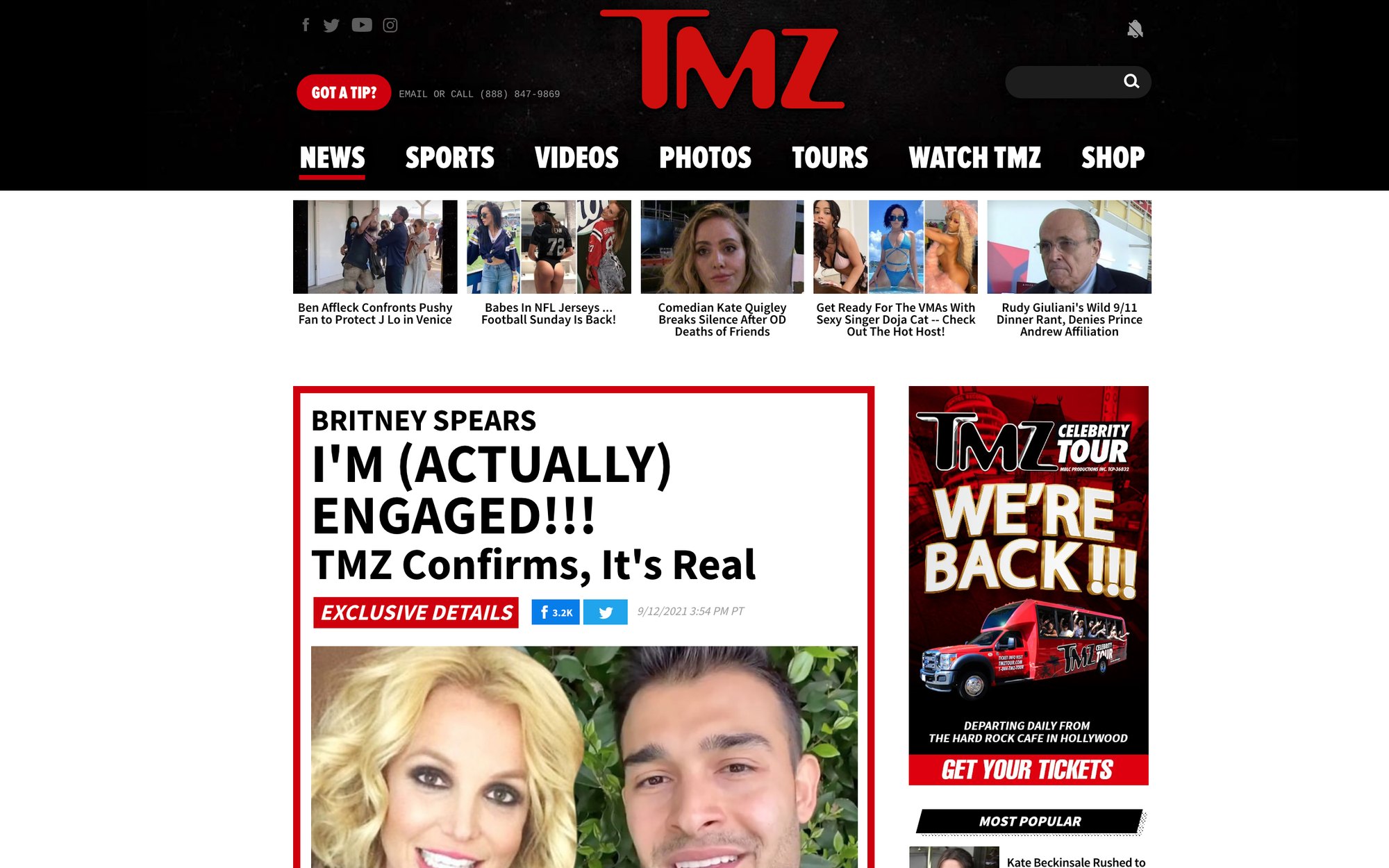
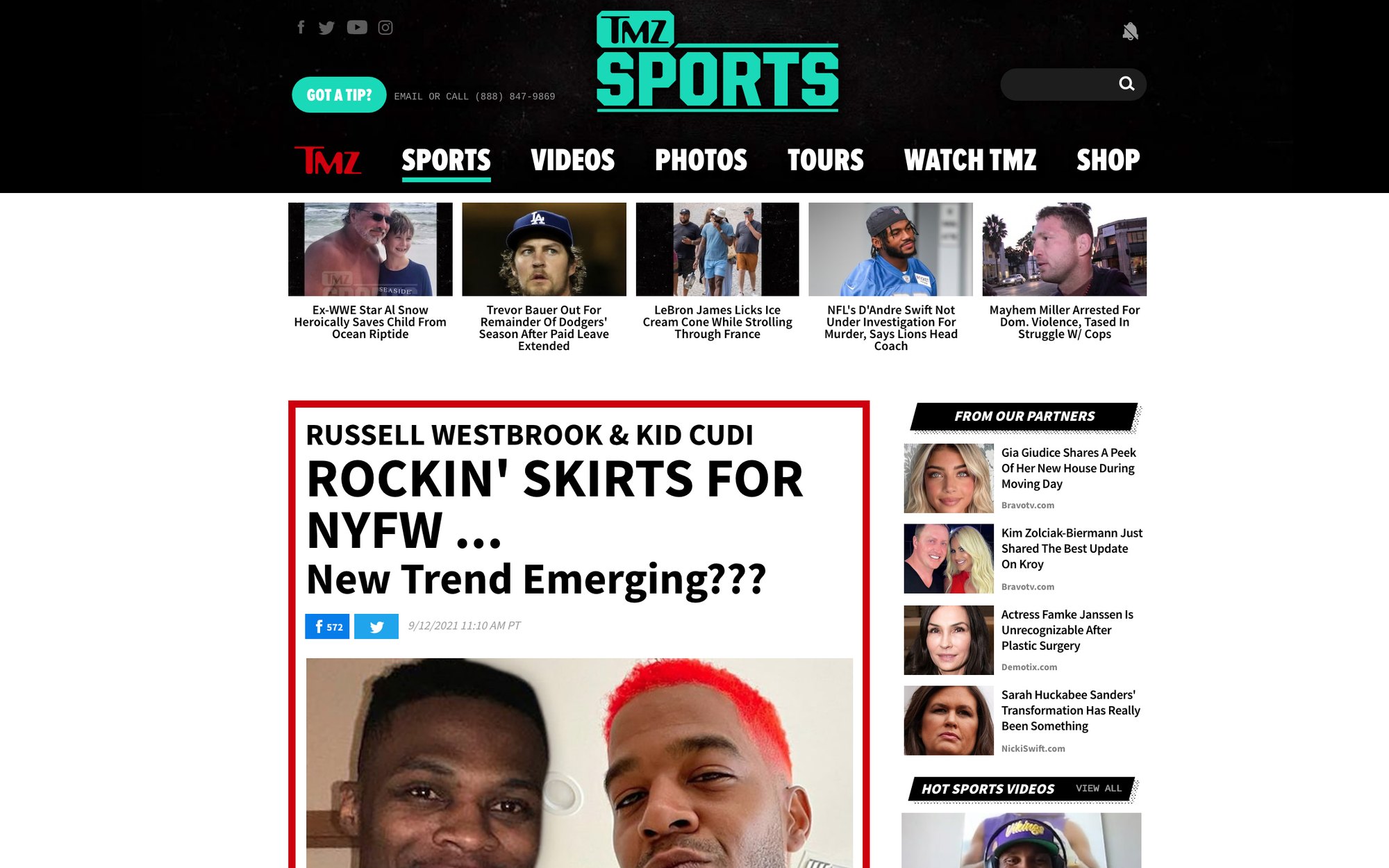
TMZ.com. The lead story leads, in its red frame
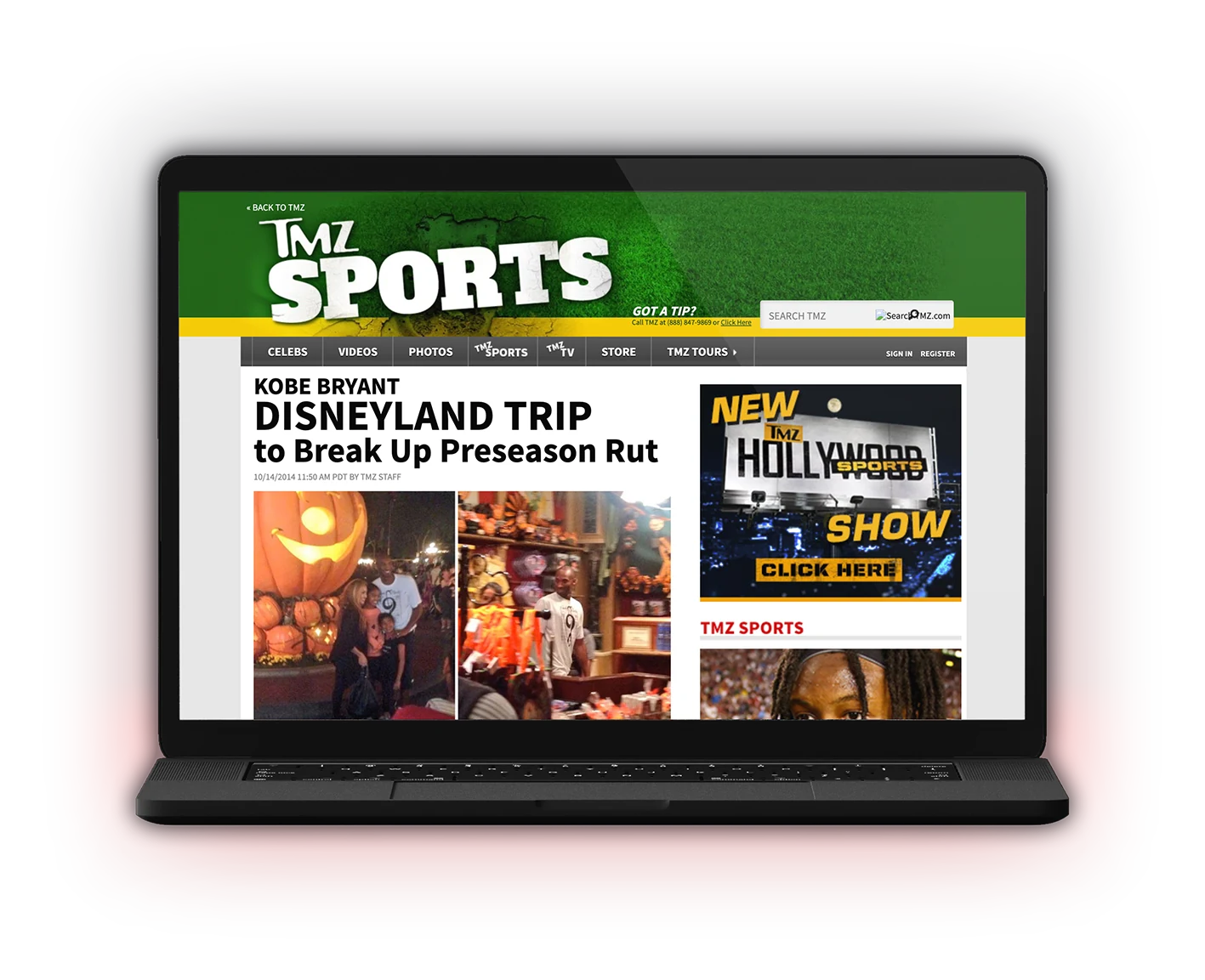
TMZ Sports. The same bones, in green
The app
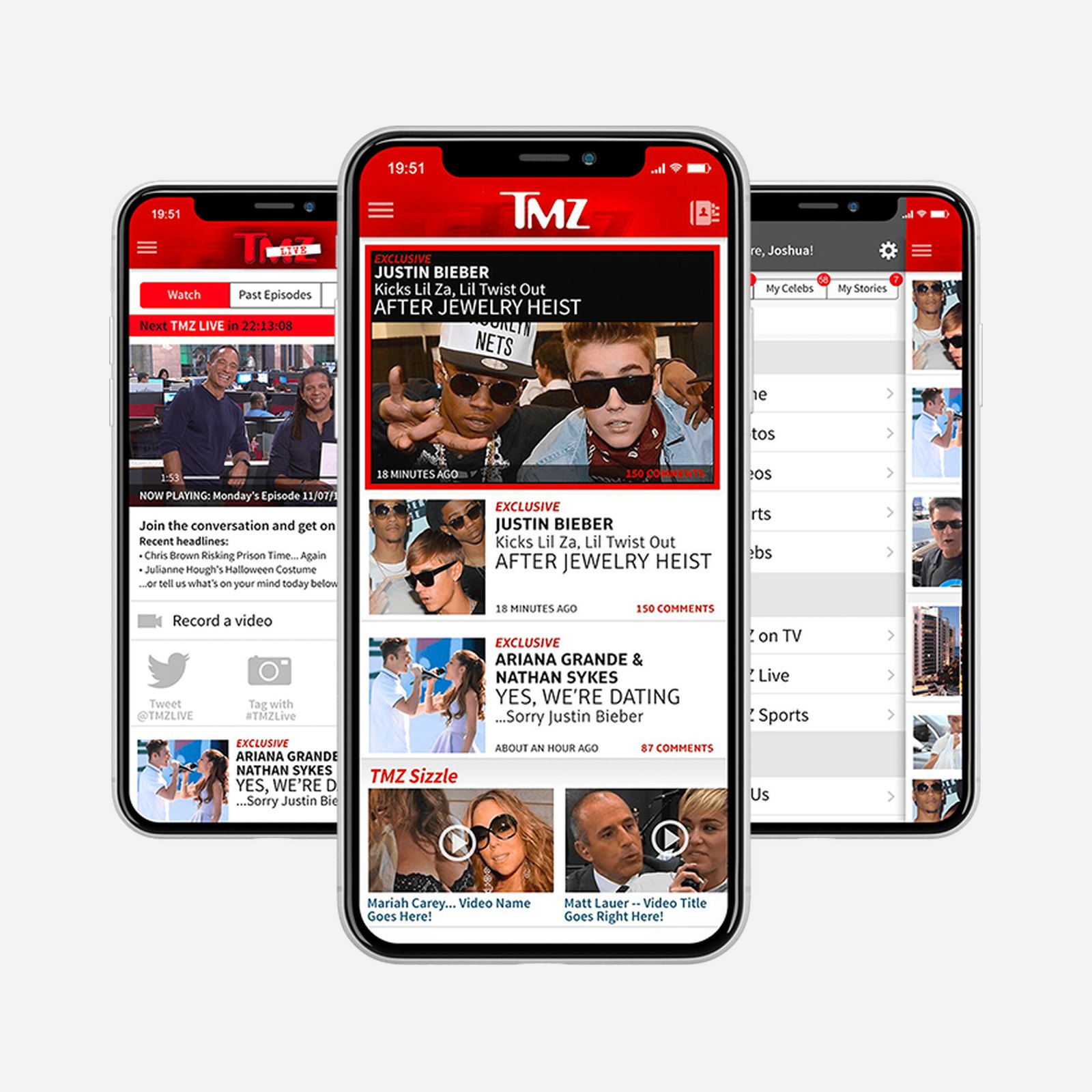
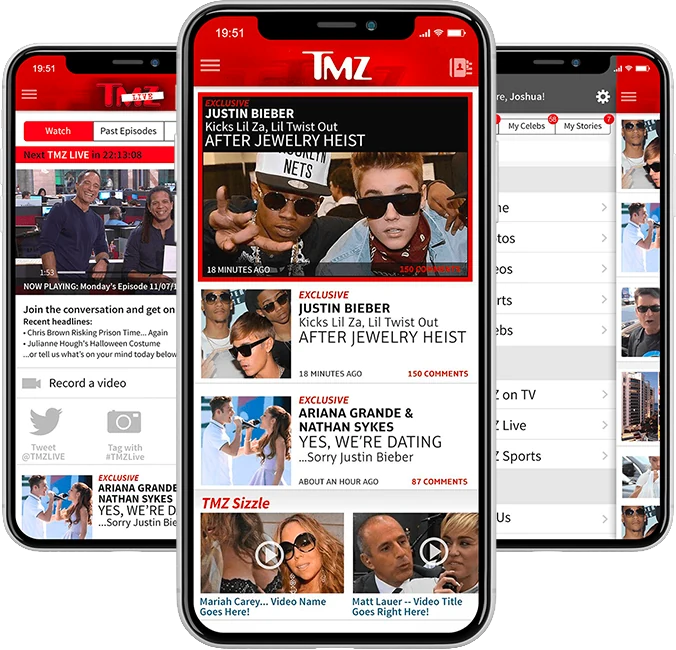
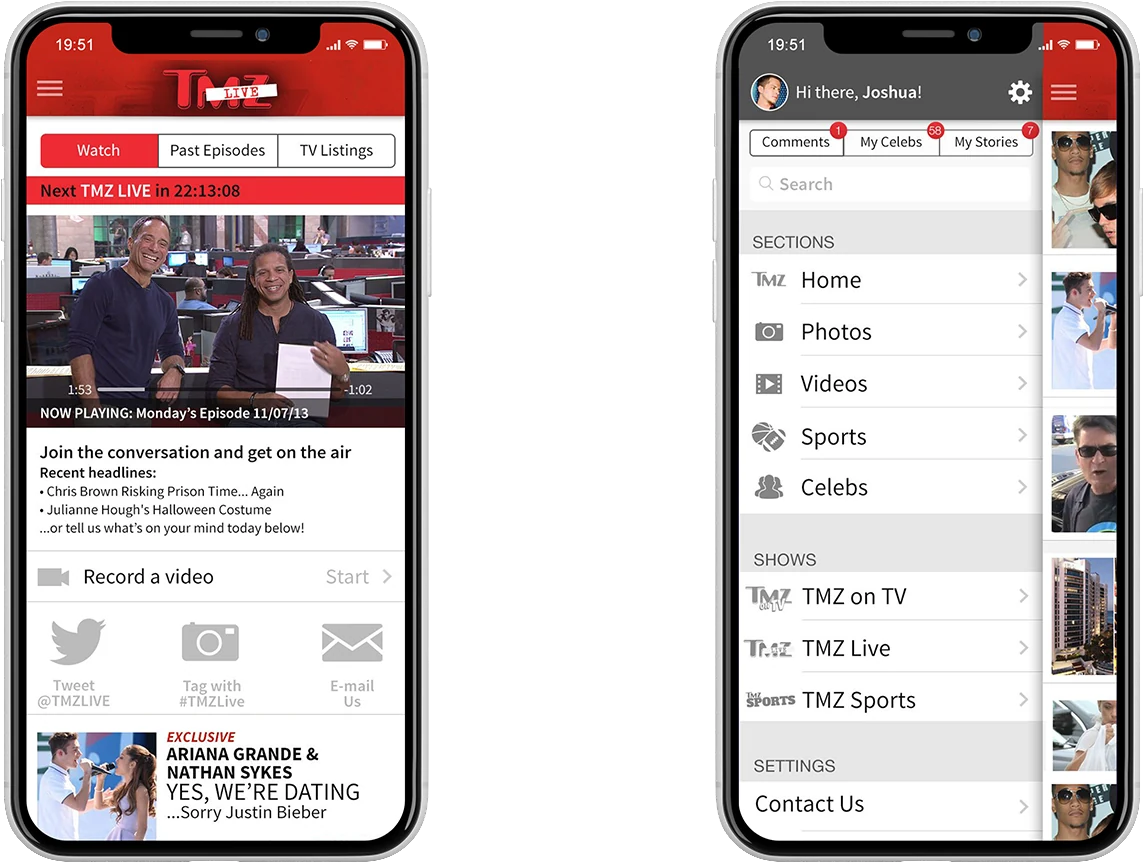
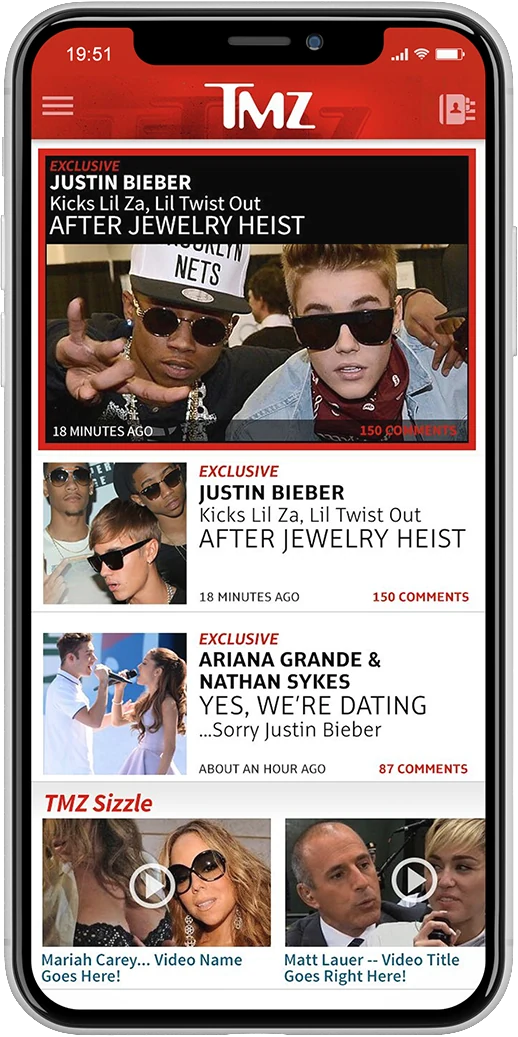
TMZ already had an iPhone app when I arrived. The goal of the redesign wasn’t to shrink TMZ.com onto a phone. It was to decide what TMZ could do as an app that the website couldn’t. The front page kept the visual language readers already knew: the lead story at full width, then the list, with the same EXCLUSIVE flag and headline stack as the site. Nothing to learn.
The new part was what you could do with it. TMZ Live became something you could watch anywhere, with a countdown to the next show. And because the newsroom runs on tips, a viewer could shoot a photo or a video and send it straight to the desk. It passed a million downloads in its first week.
The redesigned app. A million downloads in week one
TMZ Live. Watch, then send the newsroom a video
The list. The site’s headline stack, on a phone
The cycle never closes
Agency projects have a beginning and an end. A newsroom has neither. It doesn’t need a design process that occasionally produces something brilliant. It needs one that reliably produces excellent work at 2 a.m. So I stopped optimizing for the perfect individual deliverable and started optimizing the team around speed, clarity, and repeatability.
A project ends. The cycle doesn’t.
An agency project
It has an end
StartEnd
BriefWeek 1
DesignWeeks 2 to 5
DeliverDone
Optimize for the perfect deliverable
The news cycle
It doesn’t
Optimize for speed, clarity, and repeatability
* A sketch of the two ways of working.
A story breaks The site, the show, the app, and the feeds all need it, now.
The brief One line from the desk. The team already knows the format it maps to.
Build Standard assets first. Custom art when the story earns it.
Air and post Broadcast, site, app, and social, in one voice, at once.
Back around What repeated got templated. What stalled got automated.
What it looks like now
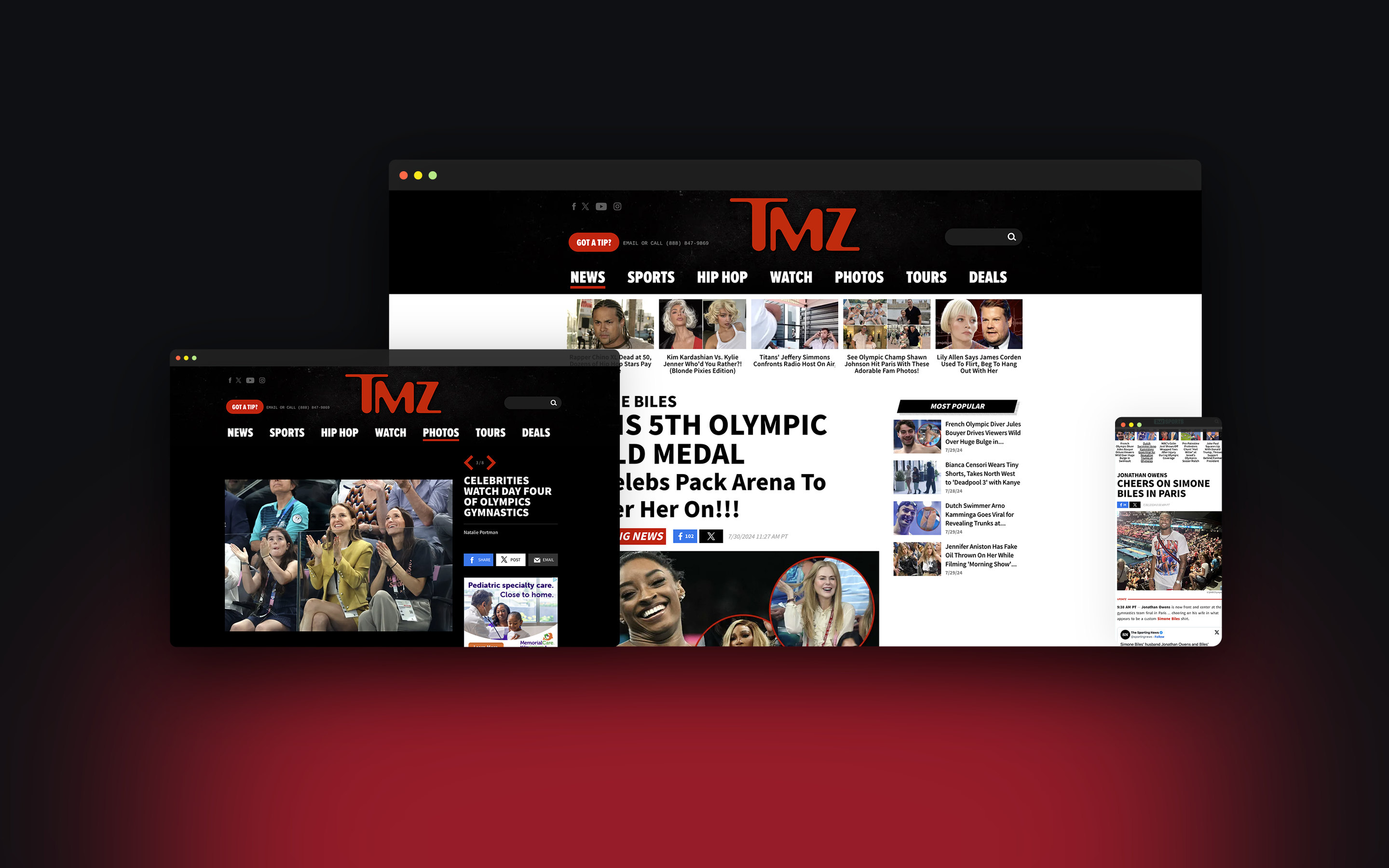
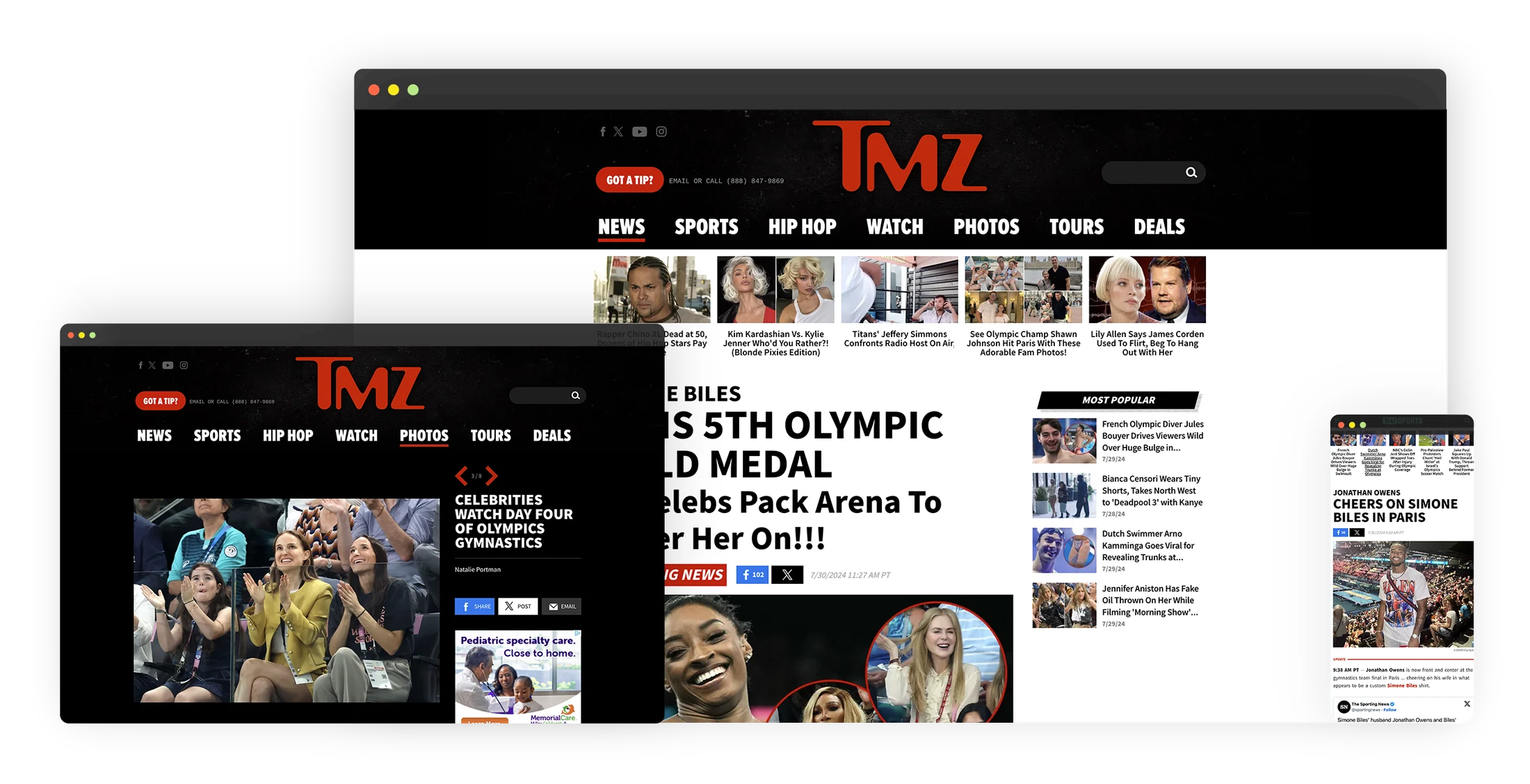
I left the newsroom a long time ago, and the sites have been redesigned since. That is how it should be. What I notice when I open them now is what stayed: the mark, the red, the lead story in its red frame, green for sports.
I think that is the real test of a system. The people who come after you can change everything around it, and it still reads as the same brand.
TMZ.com, 2024. A new header, the same mark
TMZ.com, 2021. The red frame, and the tour in the rail
TMZ Sports, 2021. Still green
System three
The business
System three
The business
Design was part of how the newsroom made money. The creative team sat with ad sales, turned the homepage into a stage for sponsors, and put the brand on a bus.
The opportunity. TMZ’s homepage was one of the most visited pages in entertainment, and advertisers wanted more from it than a banner. Ad sales needed proposals at the same speed the newsroom needed graphics. And the brand had things of its own to sell: a tour, a live show, sponsorships. The opening was a creative team that treated a sponsor’s launch like a story.
The system. Takeovers designed in-house, so a premiere could own the page for a day without breaking it. Proposals rebuilt as templates the team could turn around at news speed. Branded series made by the same people who made the show. And for the tour: a wrapped bus, a rack card, and a second city.
$1M+
Direct ad sales contributed to
4M+
Views of the custom series made for Kia
2
Cities the tour ran in: Hollywood and New York
The homepage as a stage
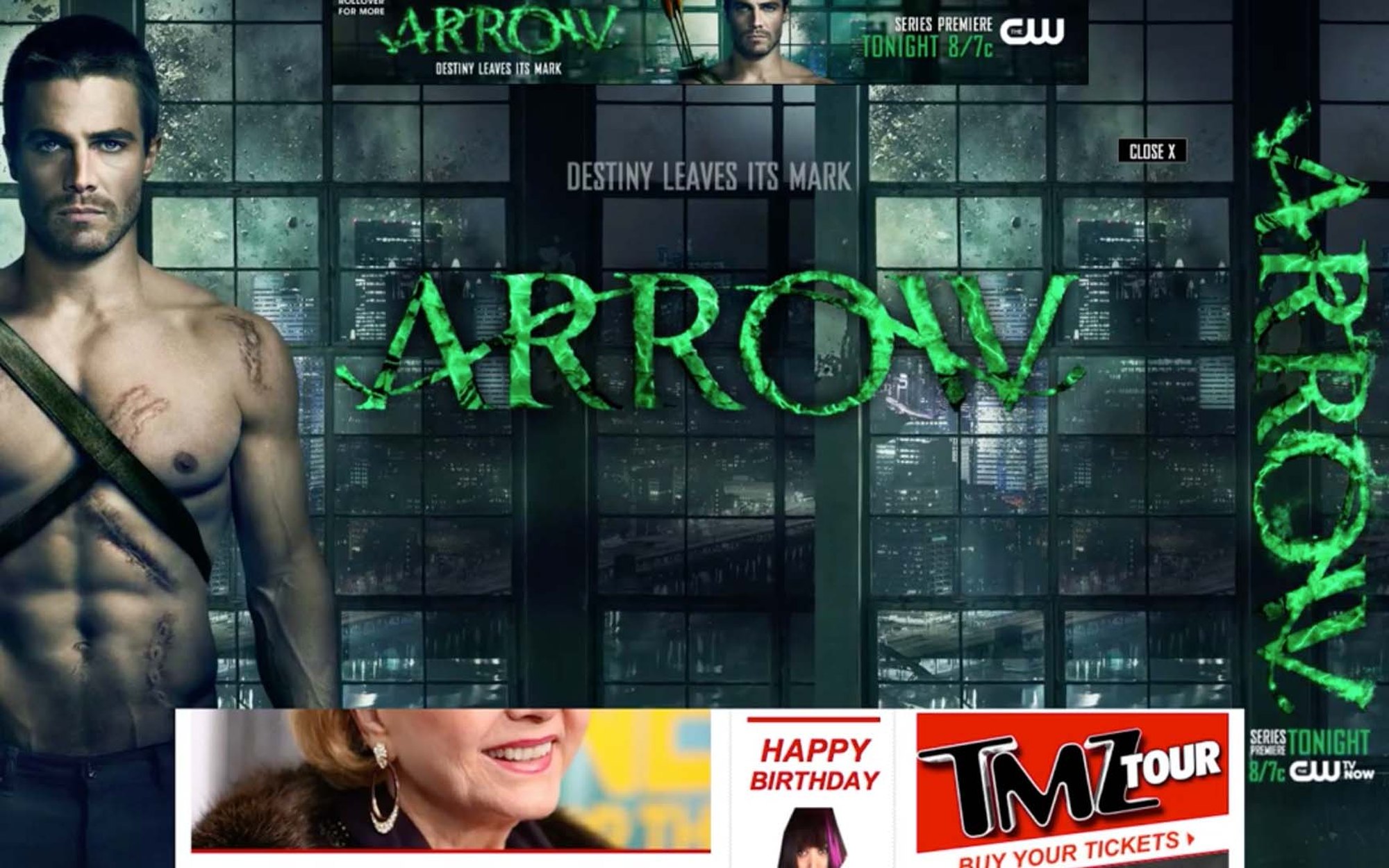
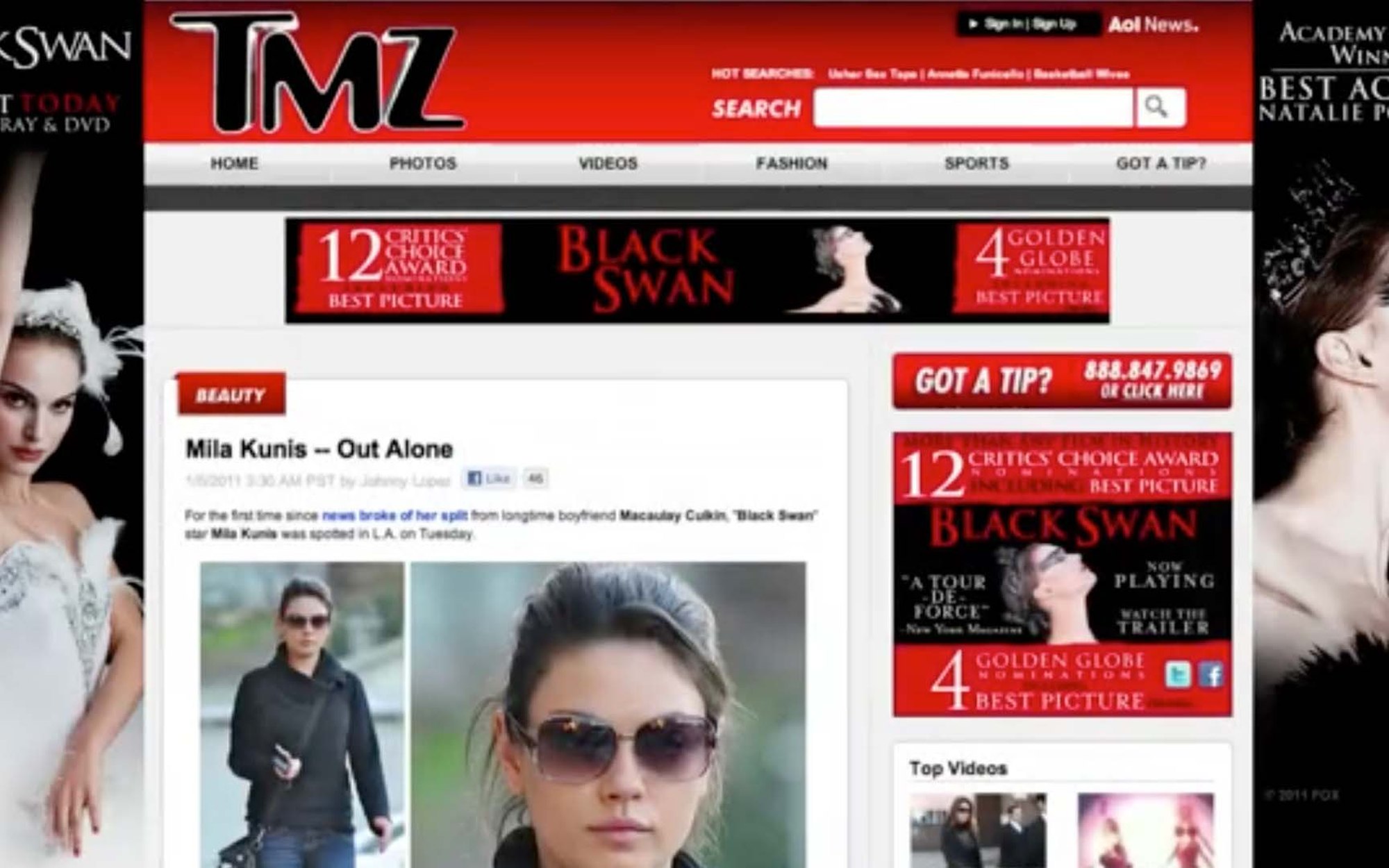
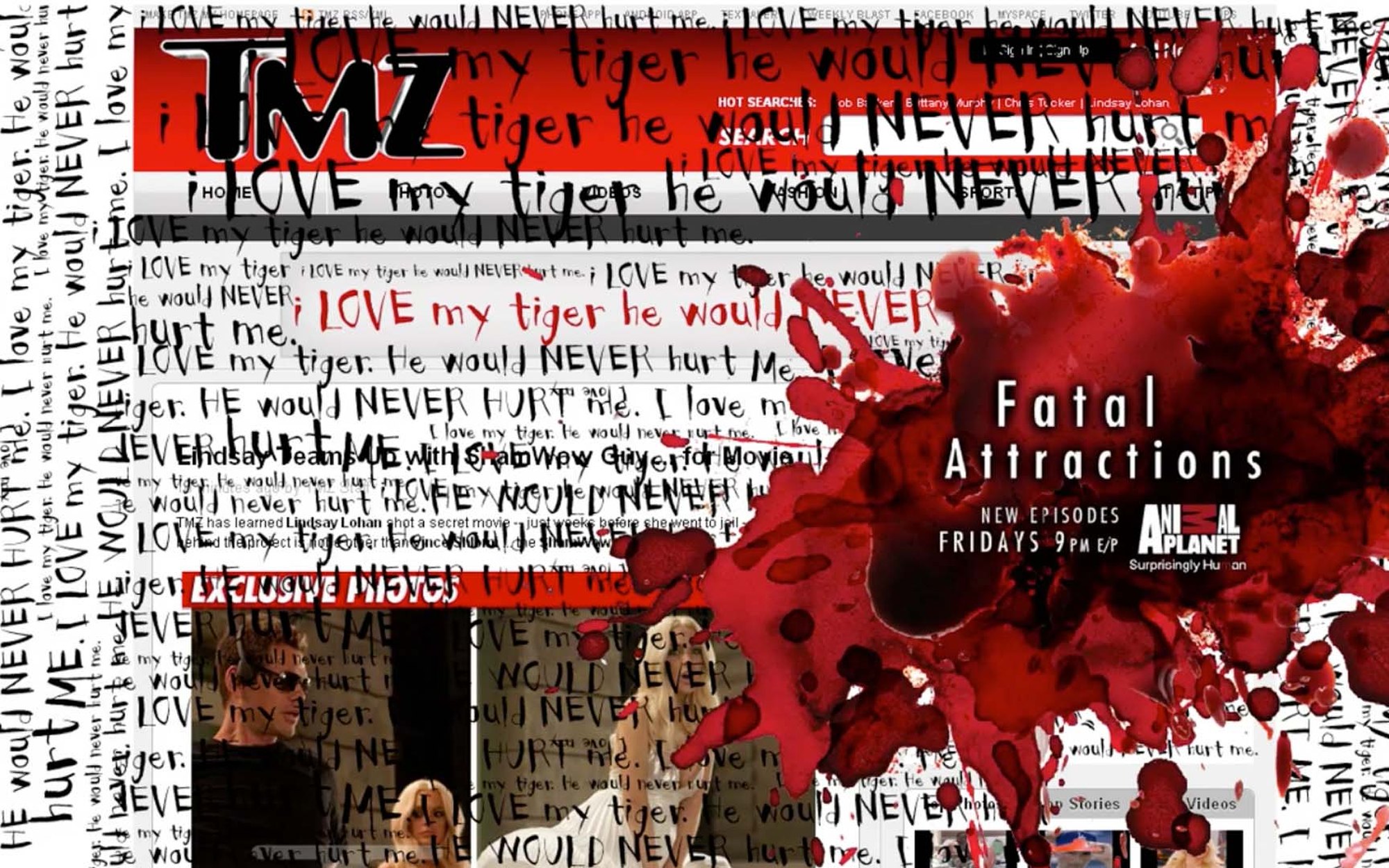
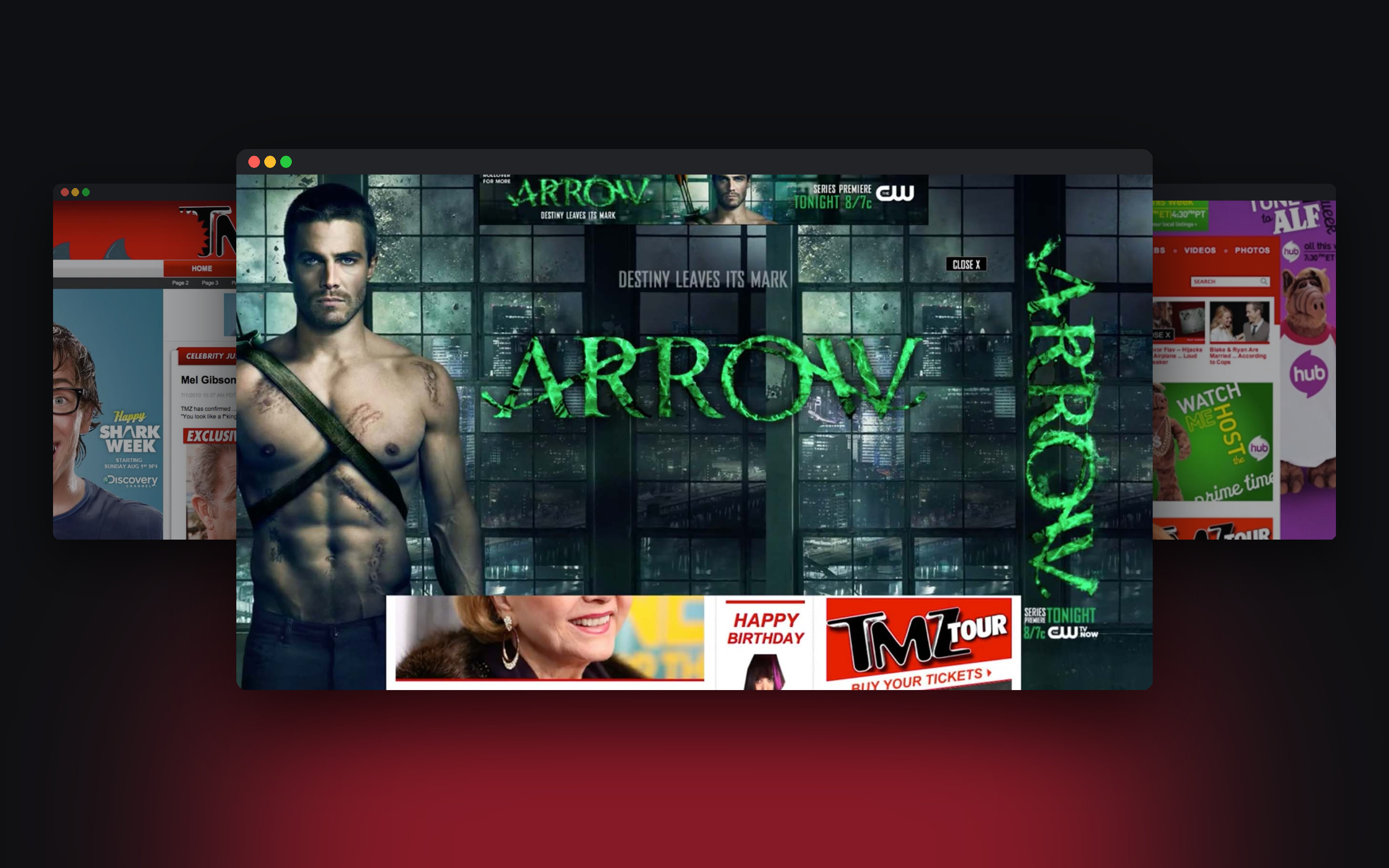
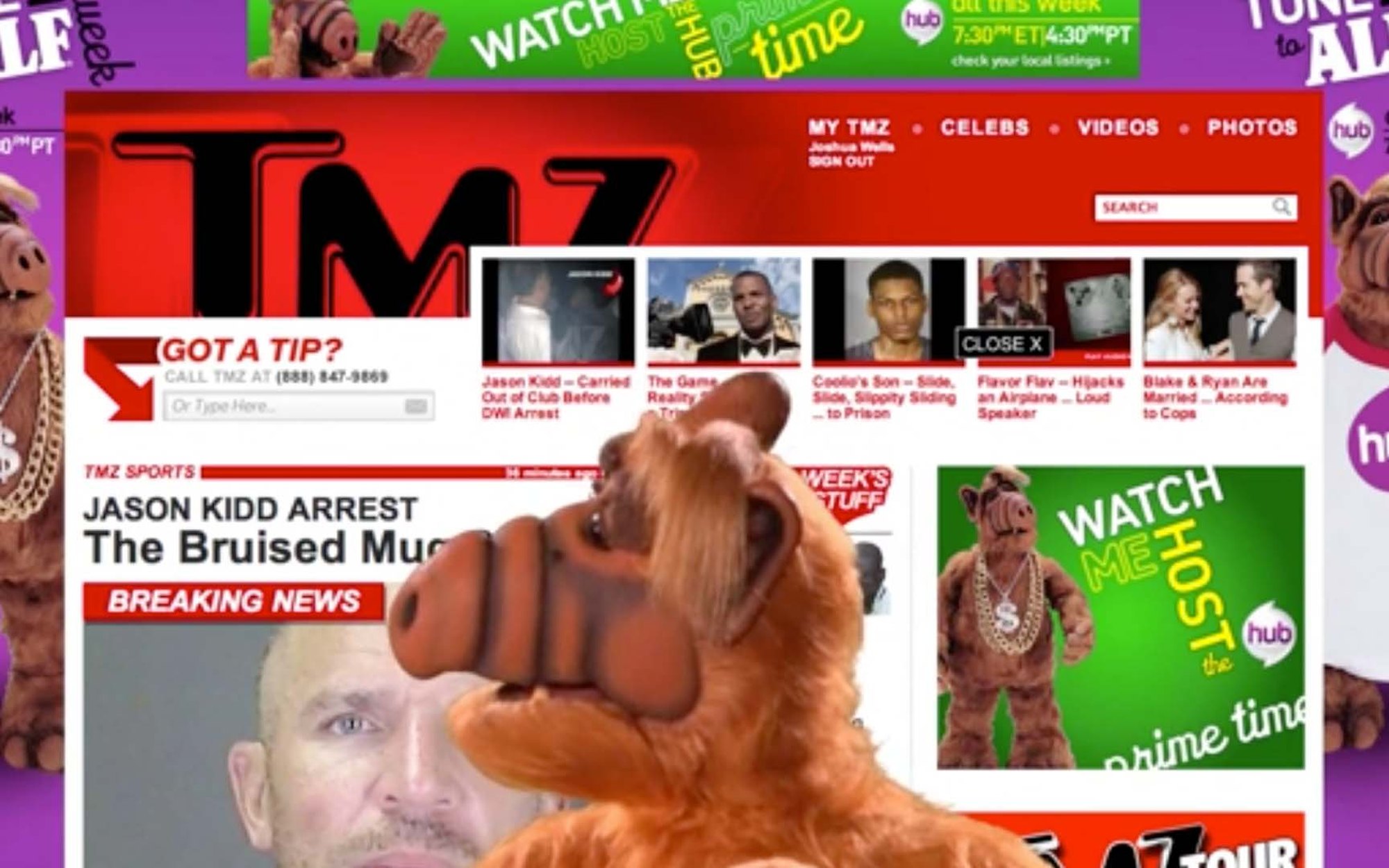
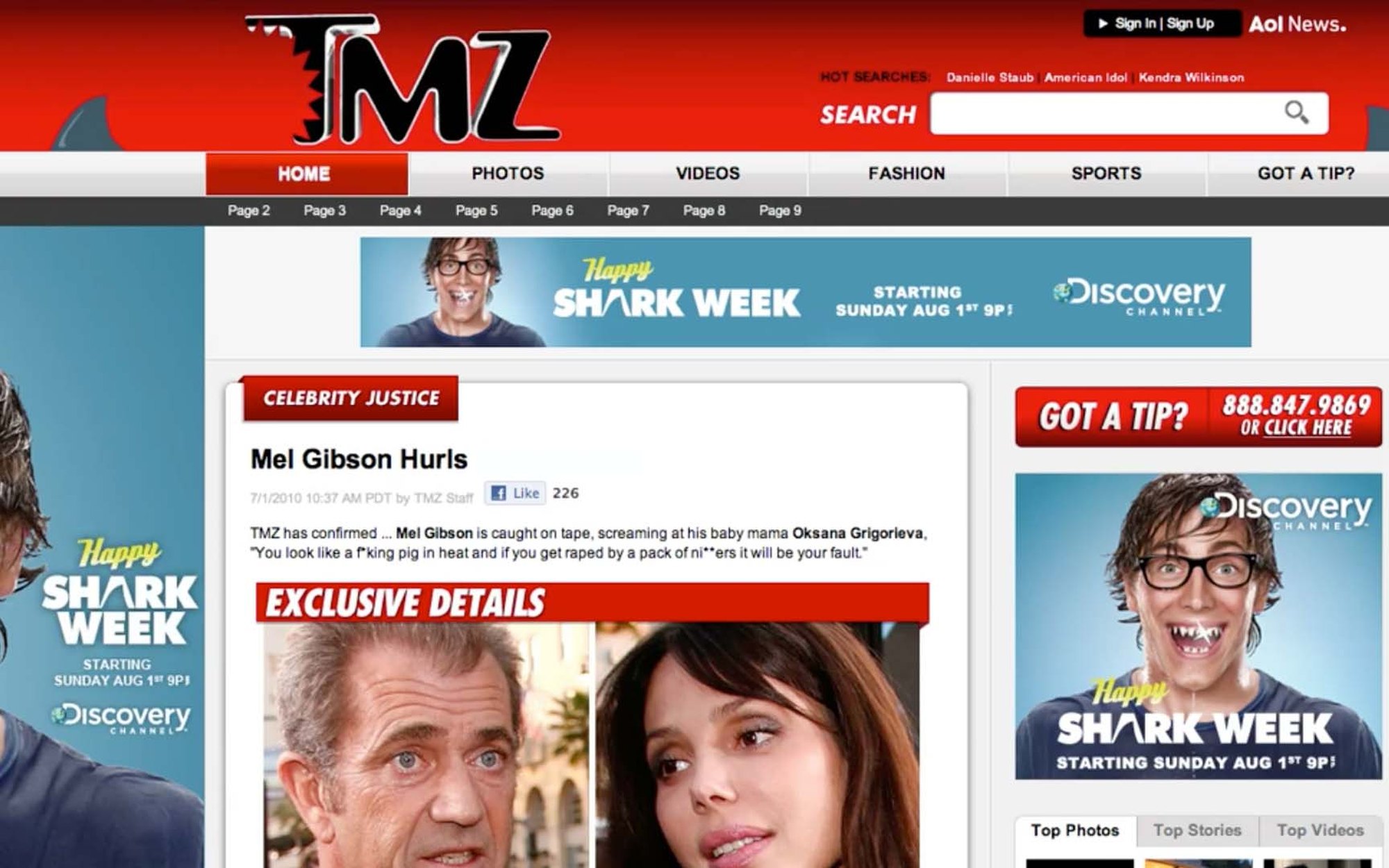
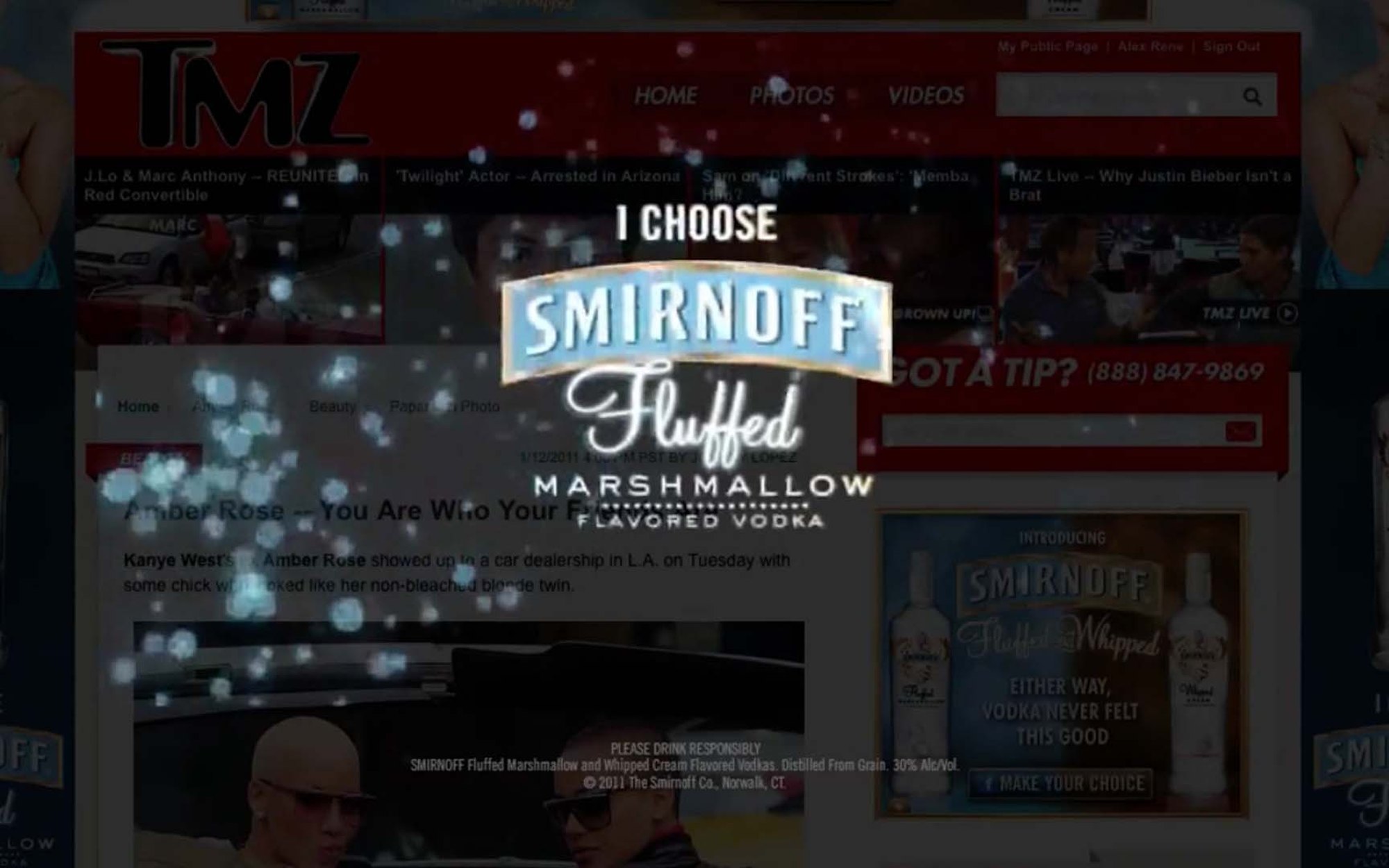
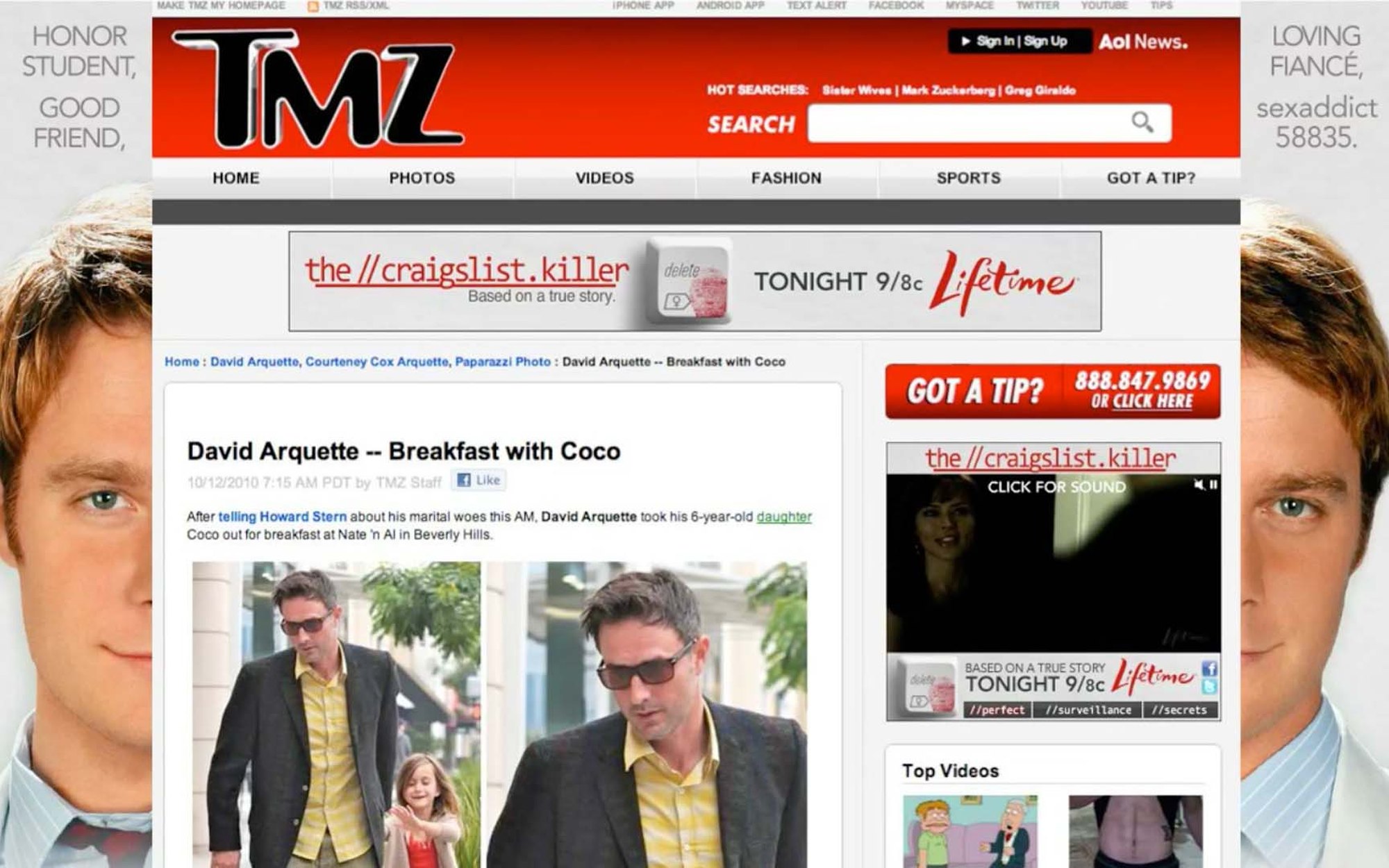
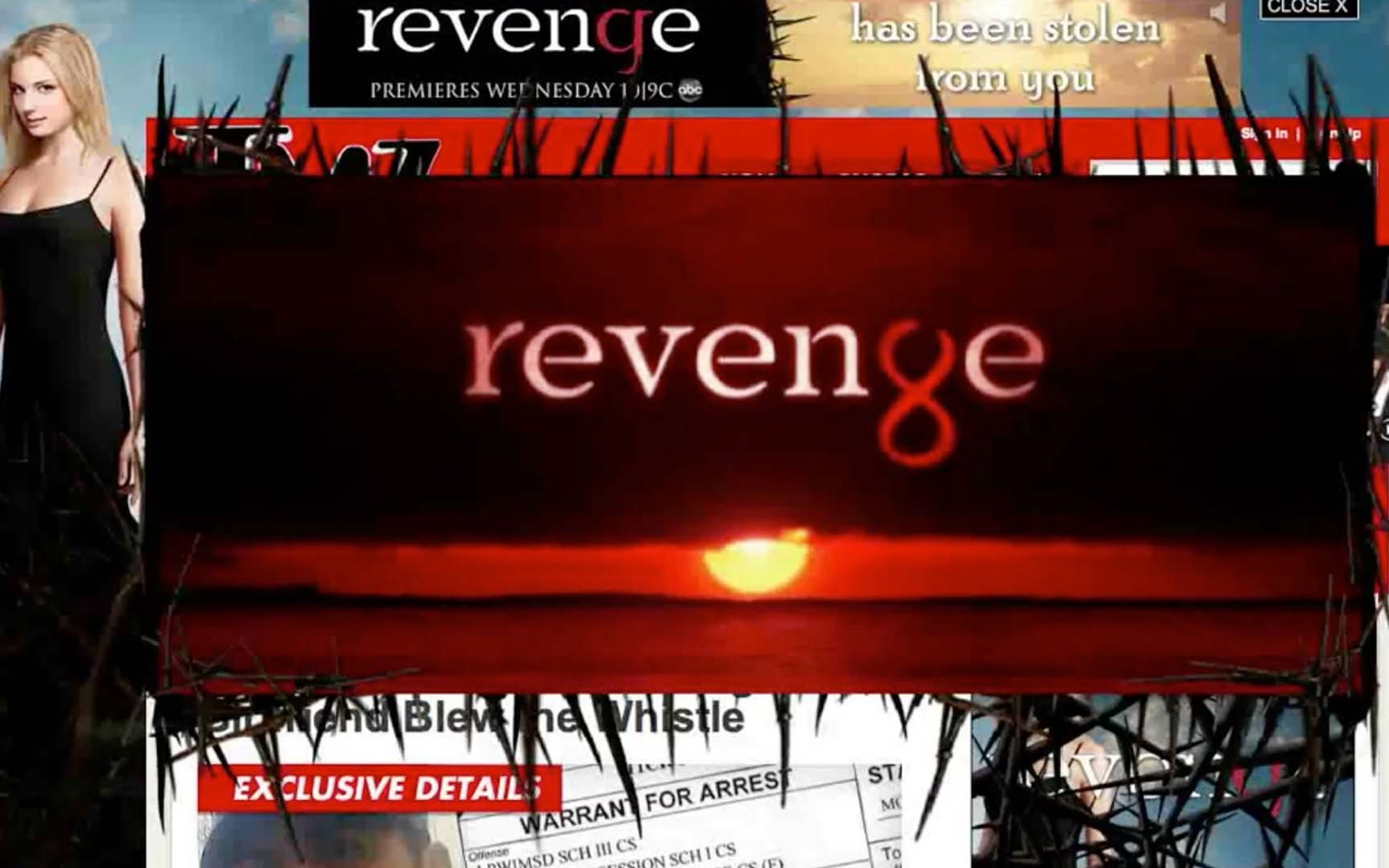
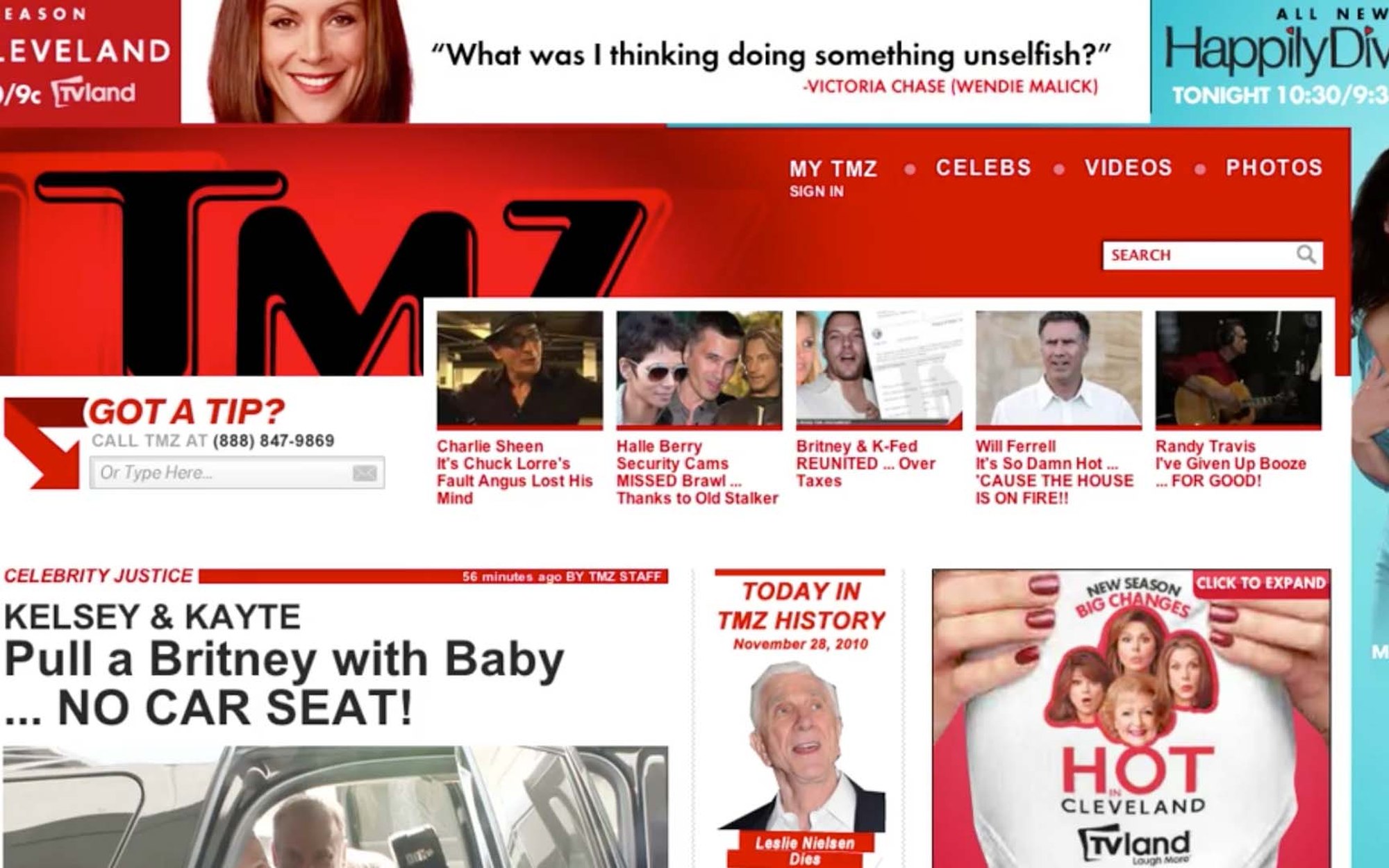
Advertisers wanted more than banners, but TMZ still had to work as TMZ underneath whatever we sold. The lead story had to lead, the navigation couldn’t move, and the tip line stayed visible. Inside those rules, the creative team could turn the whole homepage into a one-day event for a premiere or a product launch.
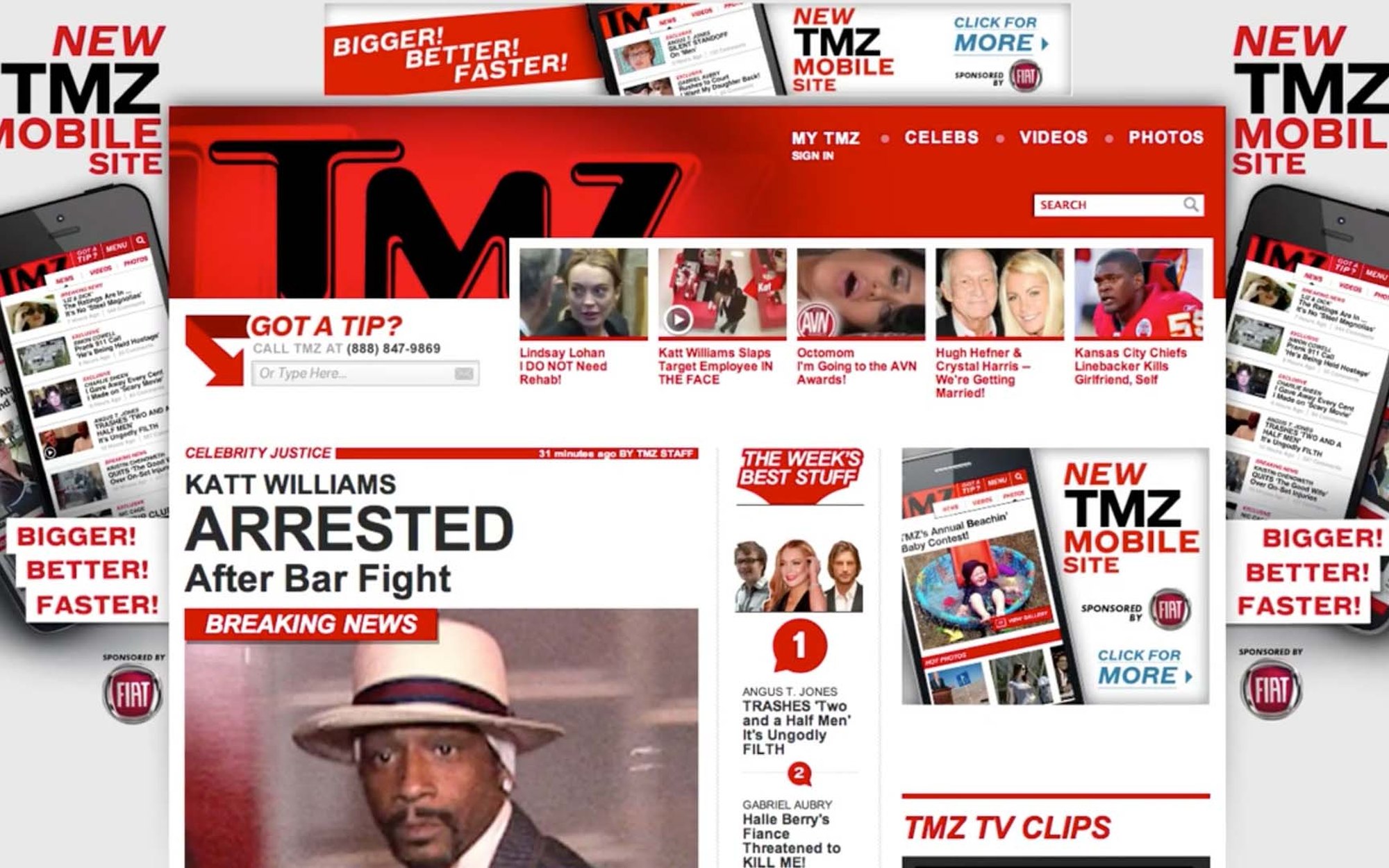
Most were television and film. Consumer brands wanted the same stage, and when TMZ launched its new mobile site, Fiat sponsored the launch, so one takeover was selling the sponsor and our own product at the same time.
Arrow. The CW
ALF. The Hub
Shark Week. Discovery
Black Swan. Fox Searchlight
Fiat. The sponsor launches our new mobile site
Fatal Attractions. Animal Planet
Smirnoff. The page dims, the product floats
The Craigslist Killer. Lifetime
Revenge. ABC
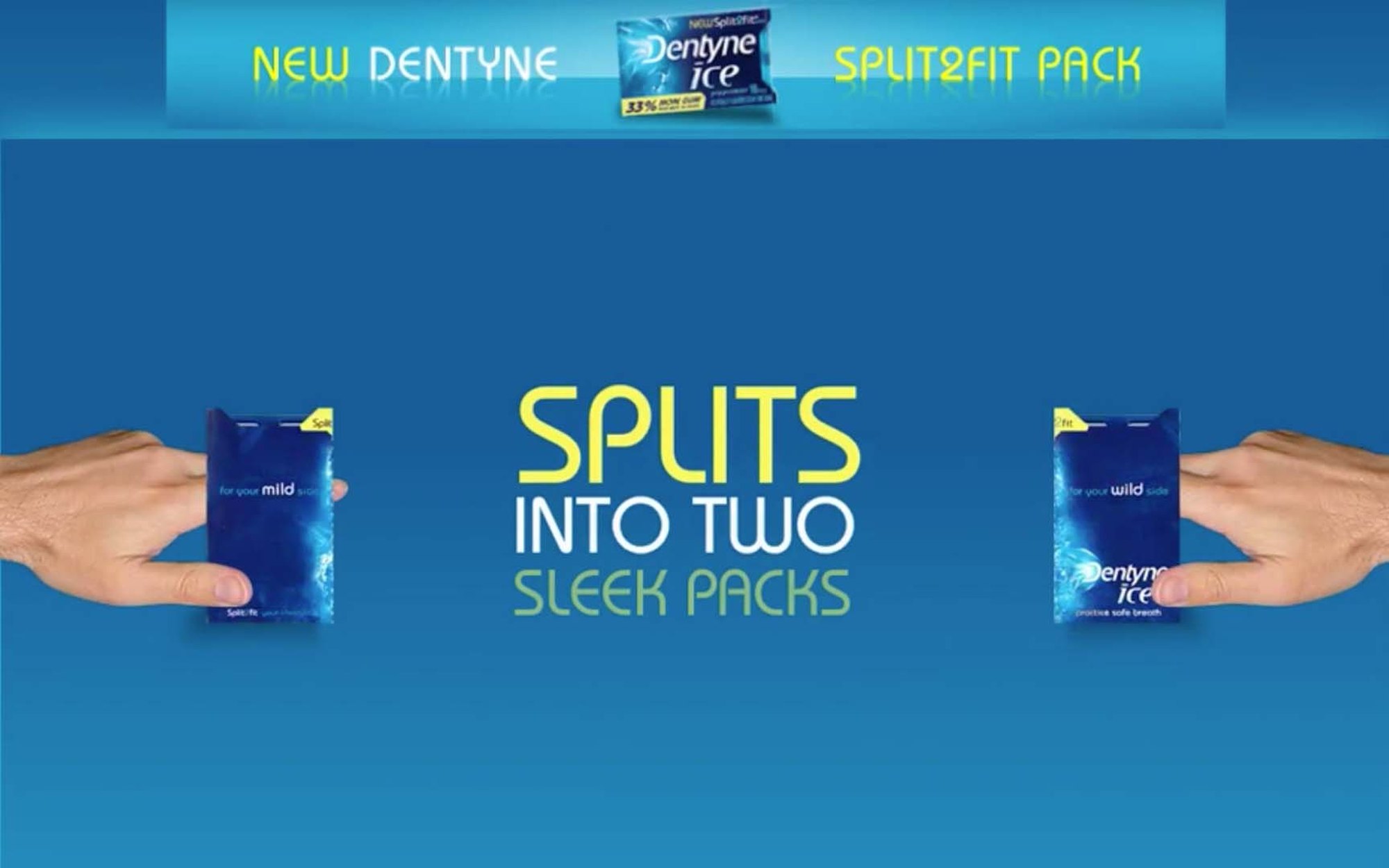
Dentyne Ice. The screen splits in two
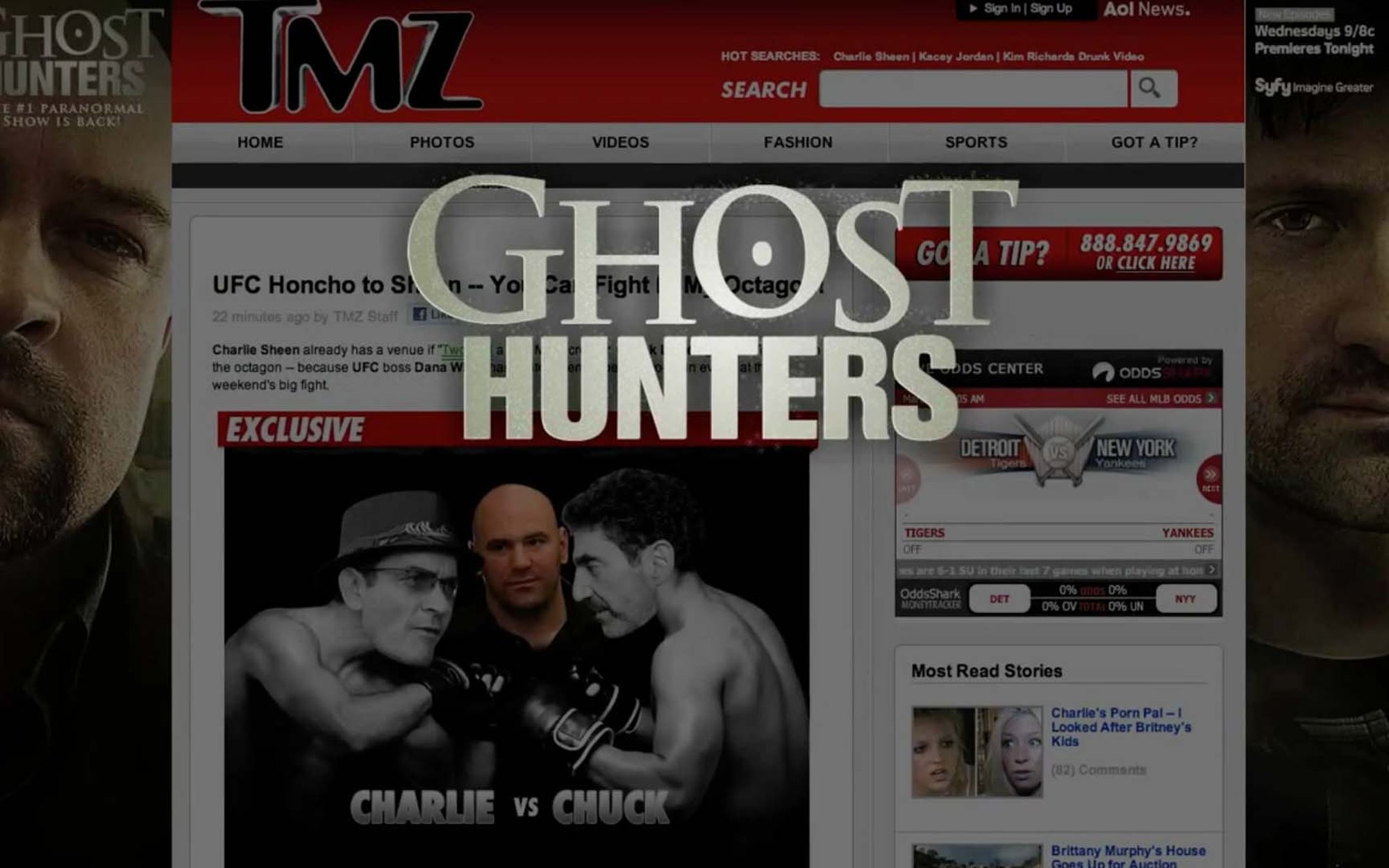
Ghost Hunters. Syfy
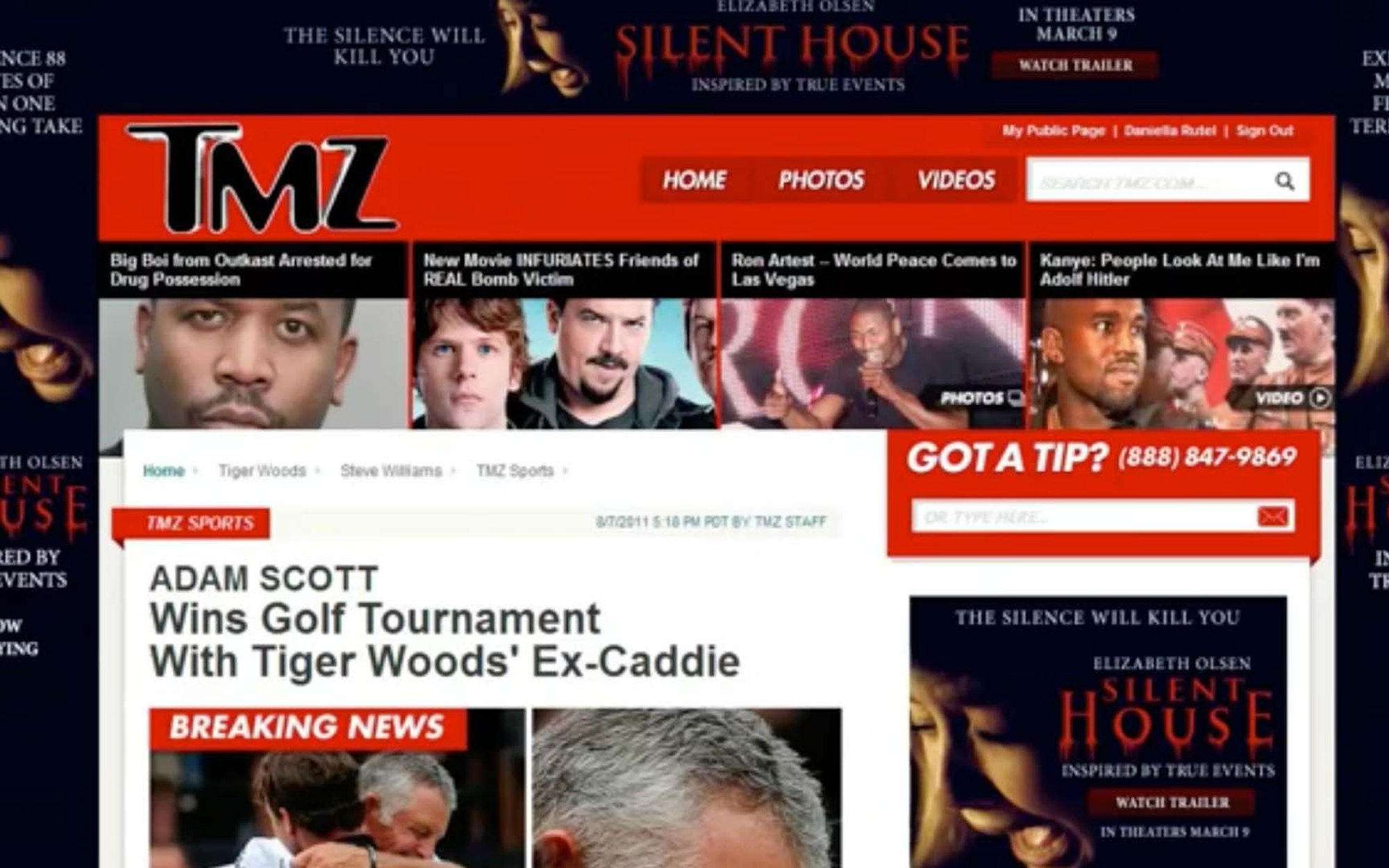
Silent House. In theaters
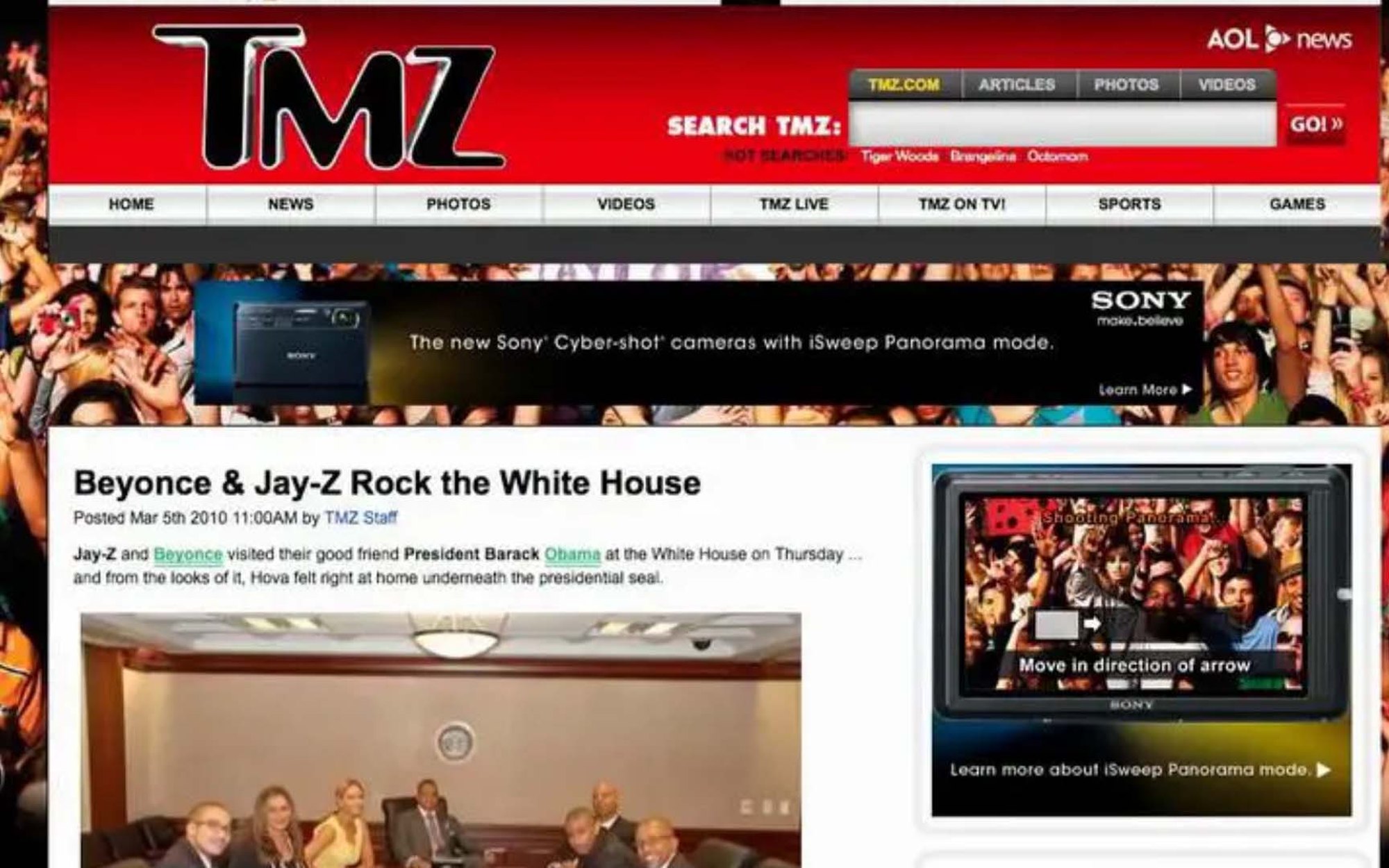
Sony. Cyber-shot
Hot in Cleveland. TV Land
A series, not a spot
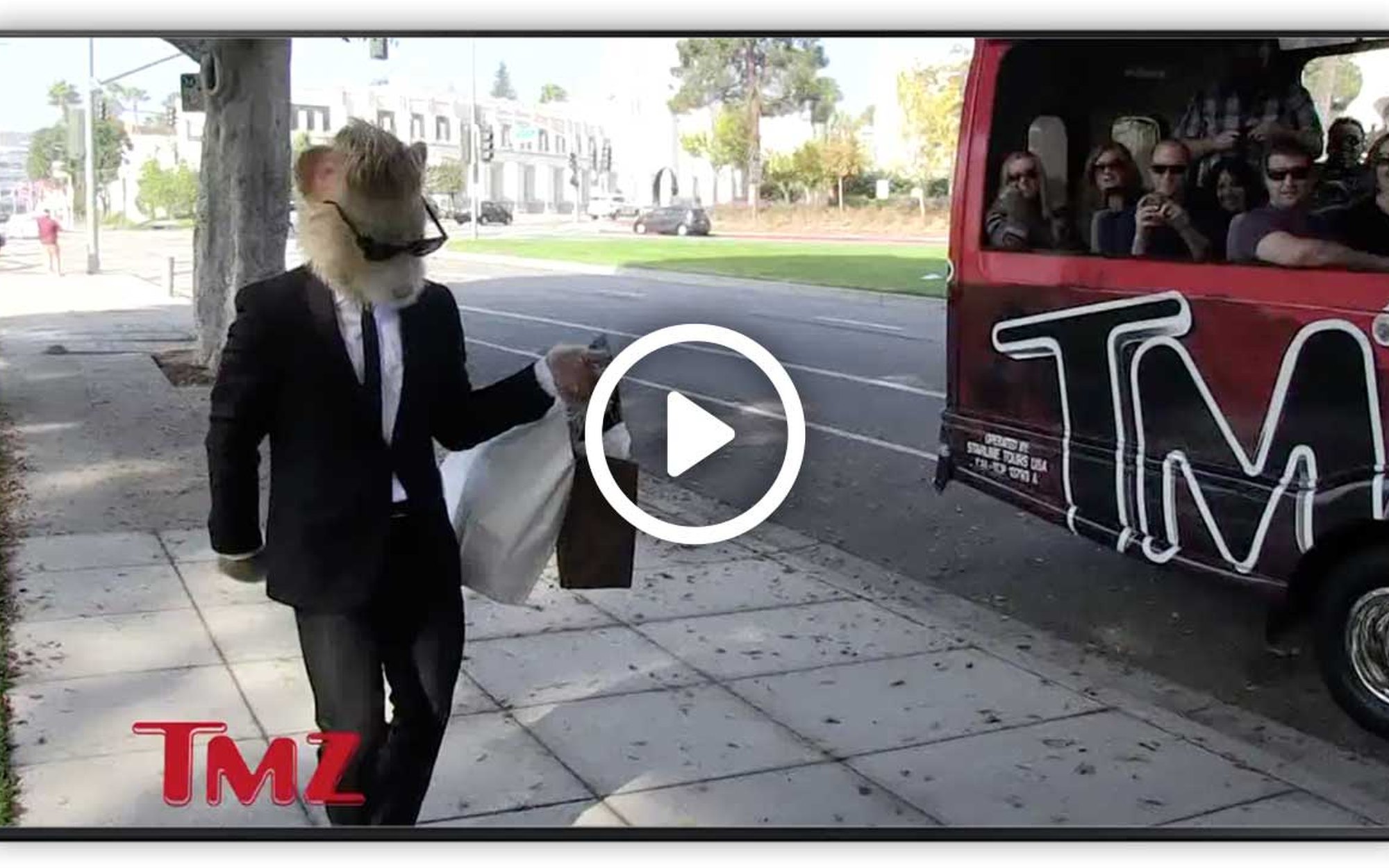
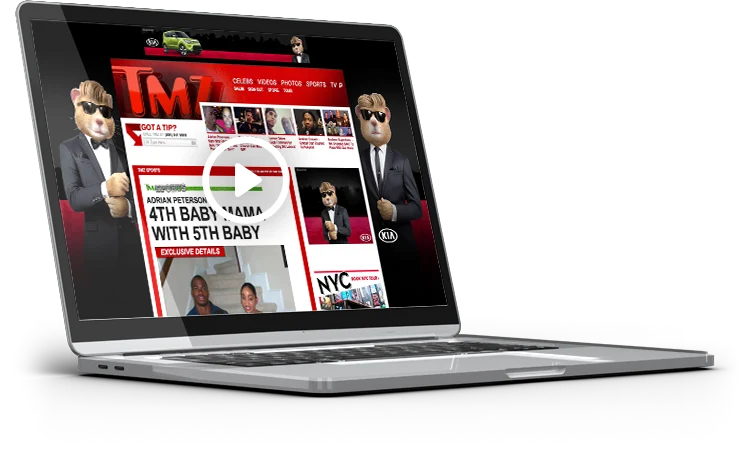
Kia wanted its hamsters treated like celebrities, so that is what we did. TMZ’s cameras “spotted” the hamster around Los Angeles: out to dinner, on the street, walking past the tour bus. It ran as a branded series across the site and the app, and TMZ’s sales team later reported more than four million views of the custom content.
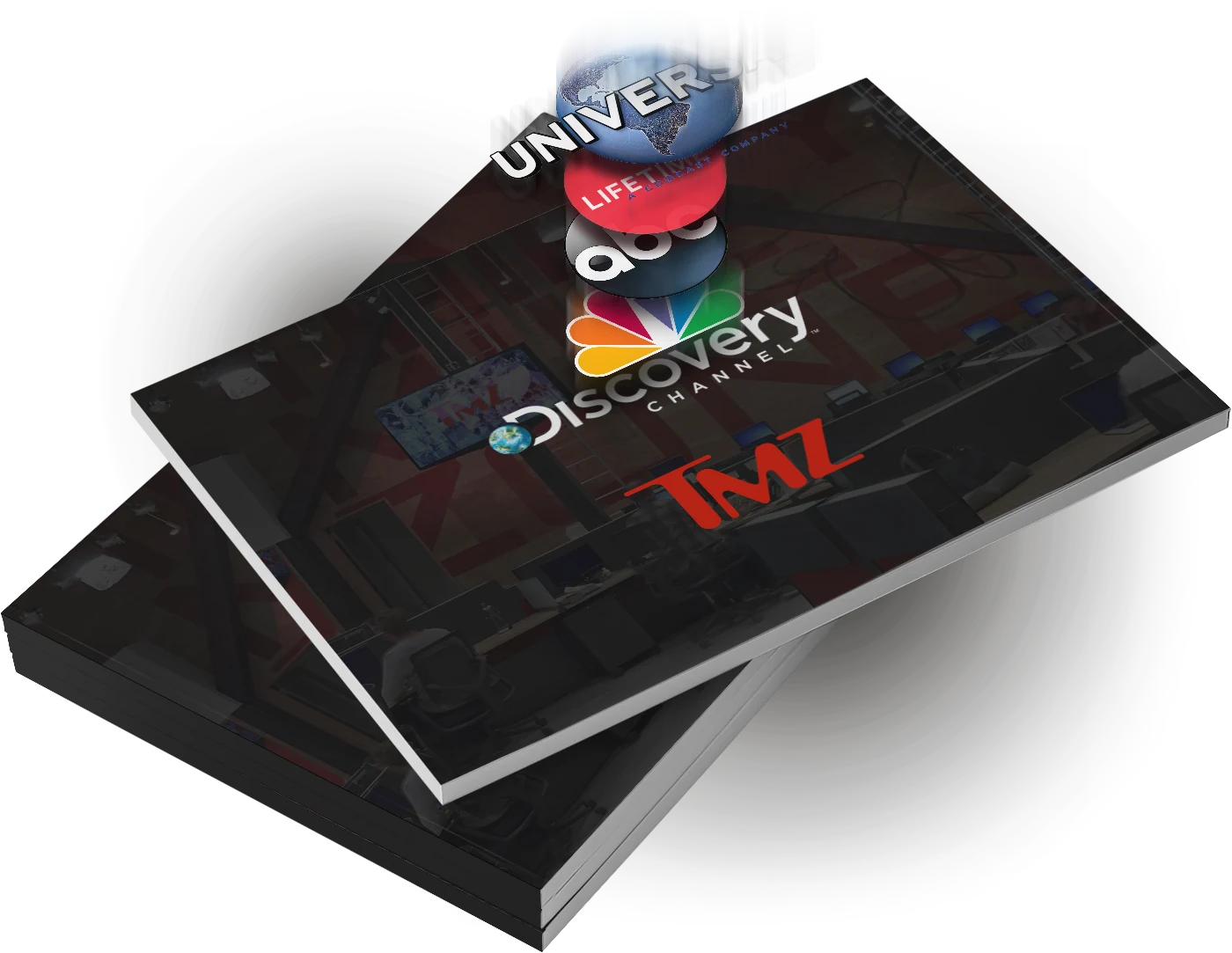
The same desk made the proposals that sold work like this. I rebuilt the RFP response as a set of templates, so a pitch could go out at the speed the newsroom worked at.
Spotted. The hamster gets the celebrity treatment
On the homepage. The series, where the stories are
Pitch decks. The proposals, bound
A brand you can ride
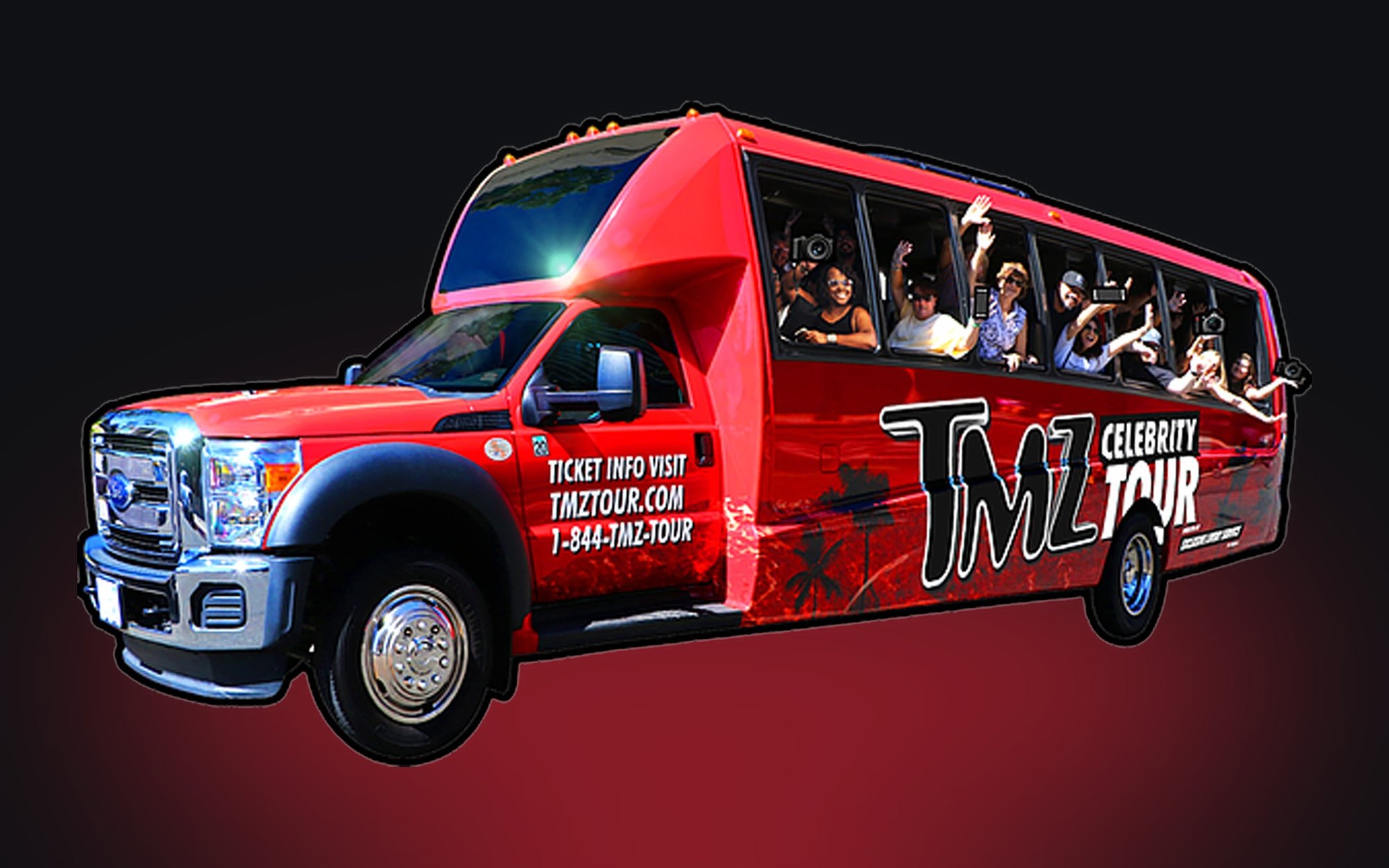
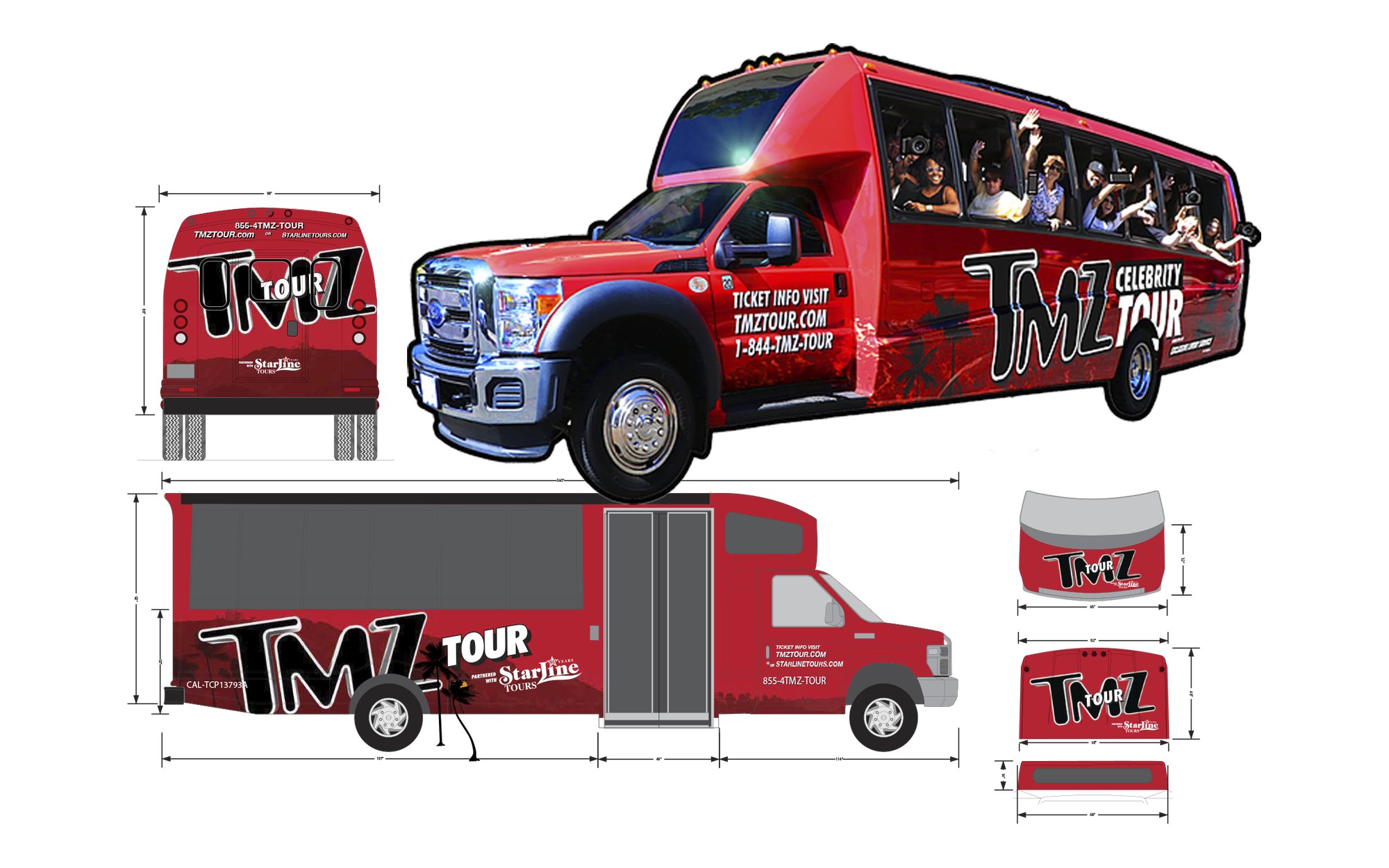
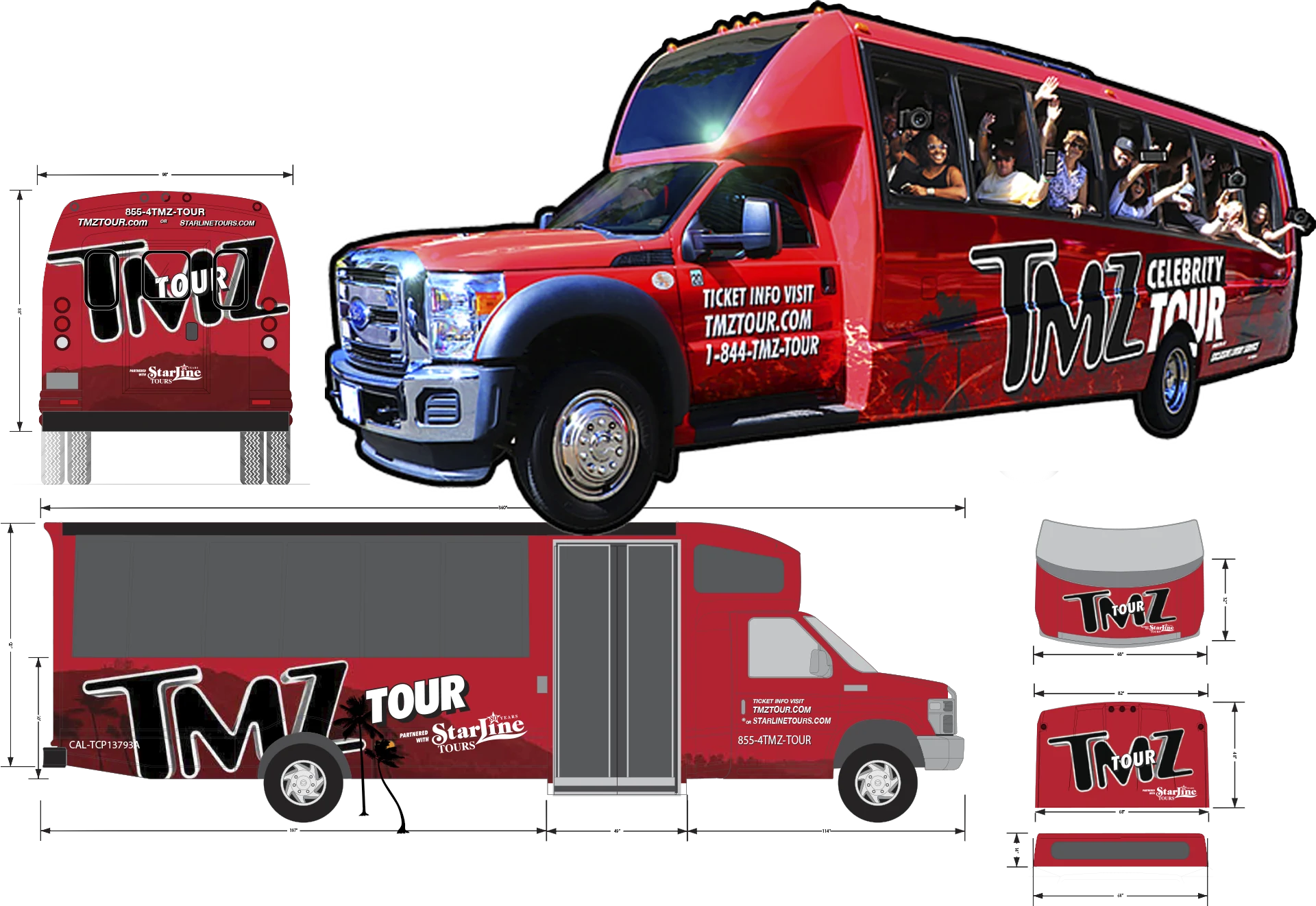
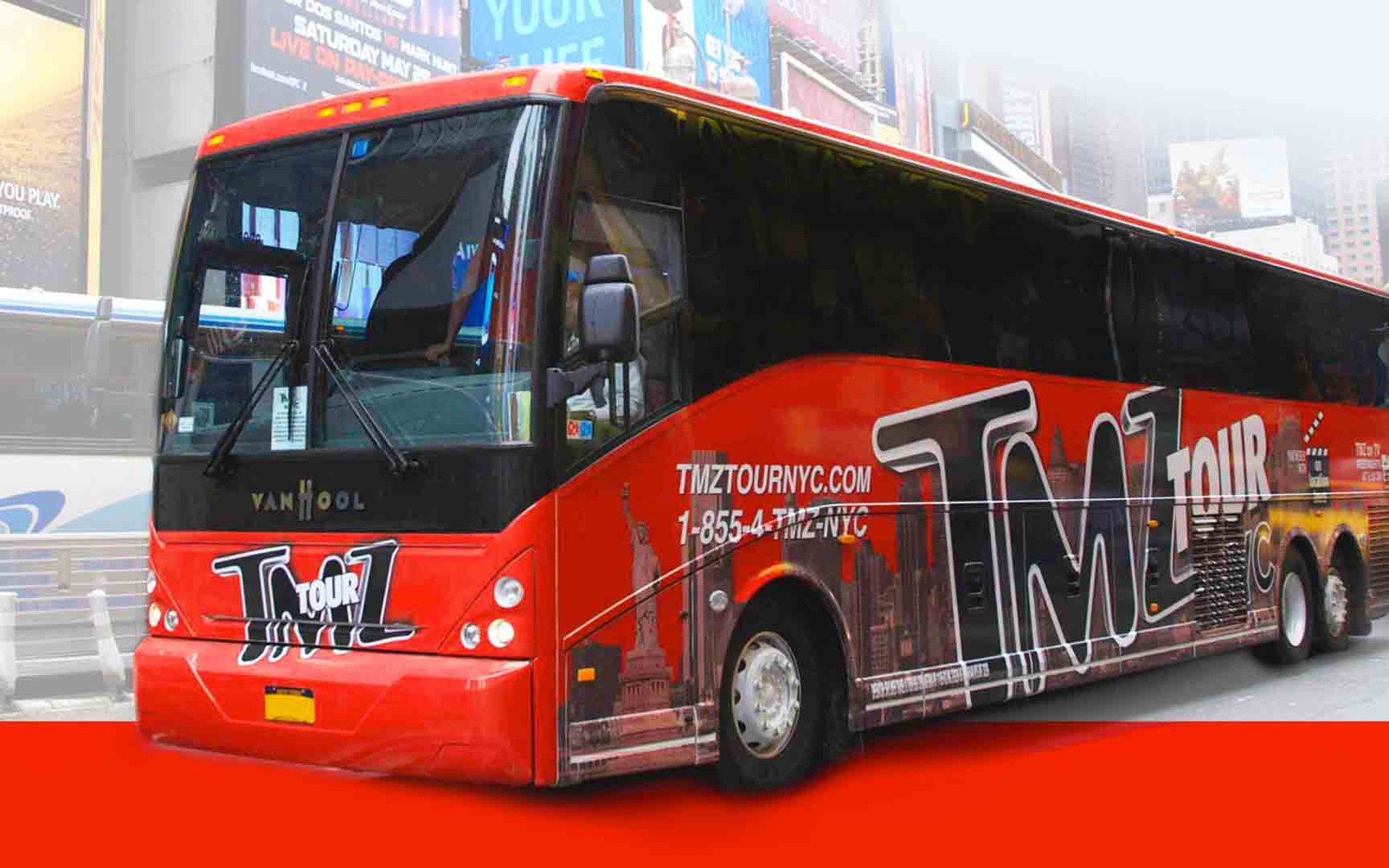
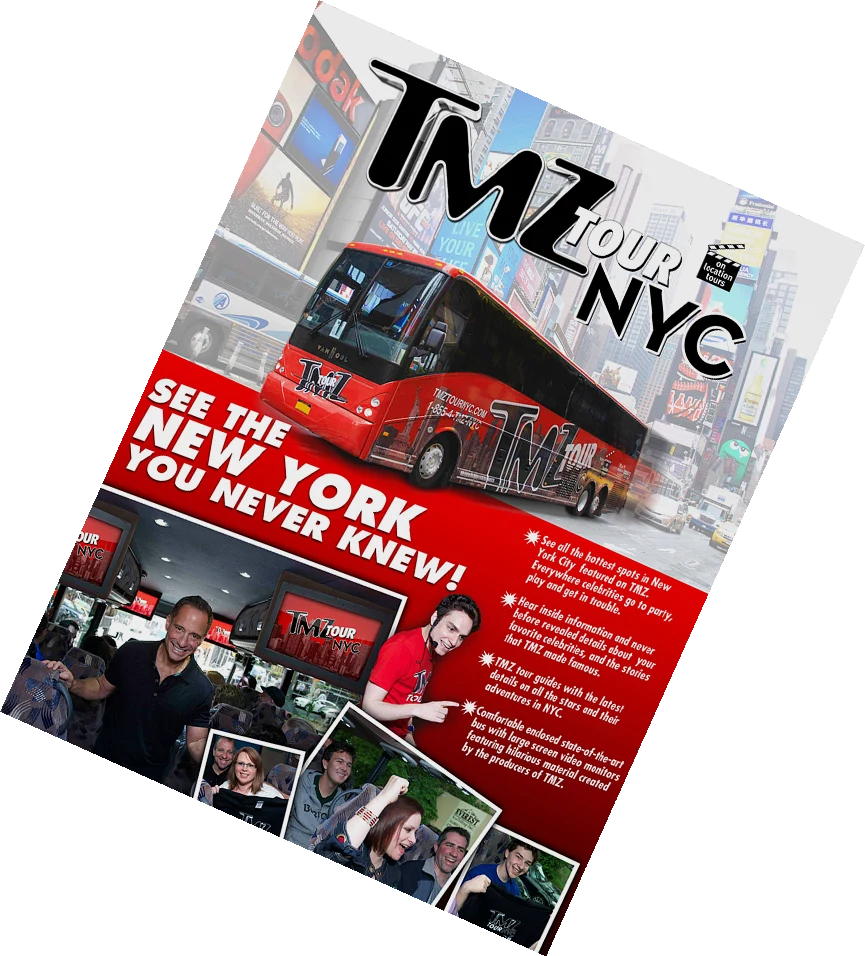
The TMZ Celebrity Tour took the brand off the screen and onto Hollywood Boulevard. I designed the wrap from the vehicle plans up: both sides, the rear, the hood, and the roof. When the tour opened in New York, it got a full-size coach and a rack card of its own.
The plans. Every panel, drawn to the inch
Hollywood. The bus, wrapped
New York. A full-size coach for the second city
The rack card. The tour, sold on paper
Lessons that became rules
Every one of these came from a day in that room where the rule was missing. The point was to keep the same thing from happening twice.
Excellent today beats perfect tomorrow. A newsroom cannot wait for the perfect version. The system has to make the good version fast, or the fast version gets bad.
Constants first, then the give. Decide the three things that never move before designing the hundred that do. That is what lets the brand bend without breaking.
The second time is a template. If the team makes the same thing twice, the third time should take a minute. Every repeat is a system waiting to be written.
The team is the product. Hiring, standards, and workflow are design problems. Get them right and the work holds up when nobody senior is in the room.
The throughline
TMZ taught me velocity. It taught me that creative operations is a design discipline, and that a system which ships excellent work today beats a process built to ship perfect work eventually. Every role since has been that same problem at a bigger scale: global format brands at Banijay, studio-wide systems at Amazon MGM, and now work where the thing being designed isn’t always a screen. TMZ is where I learned to see all of it as design.
500K → 6M
Social audience, over my time there
1M+
App downloads, week one
$1M+
Direct ad sales contributed to
3
Redesigns of TMZ.com
Team leadership. Senior Art Director to TMZ’s first Creative Director, leading a creative team that ran 24/7.
Identity. Six marks down to one, and three brand extensions drawn from it.
Sites. Three TMZ.com redesigns and TMZ Sports, on one structure.
Mobile app. Redesigned the TMZ app: a million downloads in week one.
Ad creative. Homepage takeovers, branded series, and proposals at news speed.
The tour. Bus wraps in two cities, from the vehicle plans up.
In short, and in their words
TMZ got its first Creative Director, and the brand stayed recognizable through three redesigns, an app and a tour bus, at news speed. I asked the people I worked for to say in their own words whether that holds.
“He not only changed the way the day-to-day operation worked at TMZ, but infused new life into the brand through the way he and his team created visuals, dreaming up new ways to delight advertisers and our audience.”
Pamela RussoFormer SVP and GM, TMZ
Next · Internal comms · The inclusion work · Film and events